

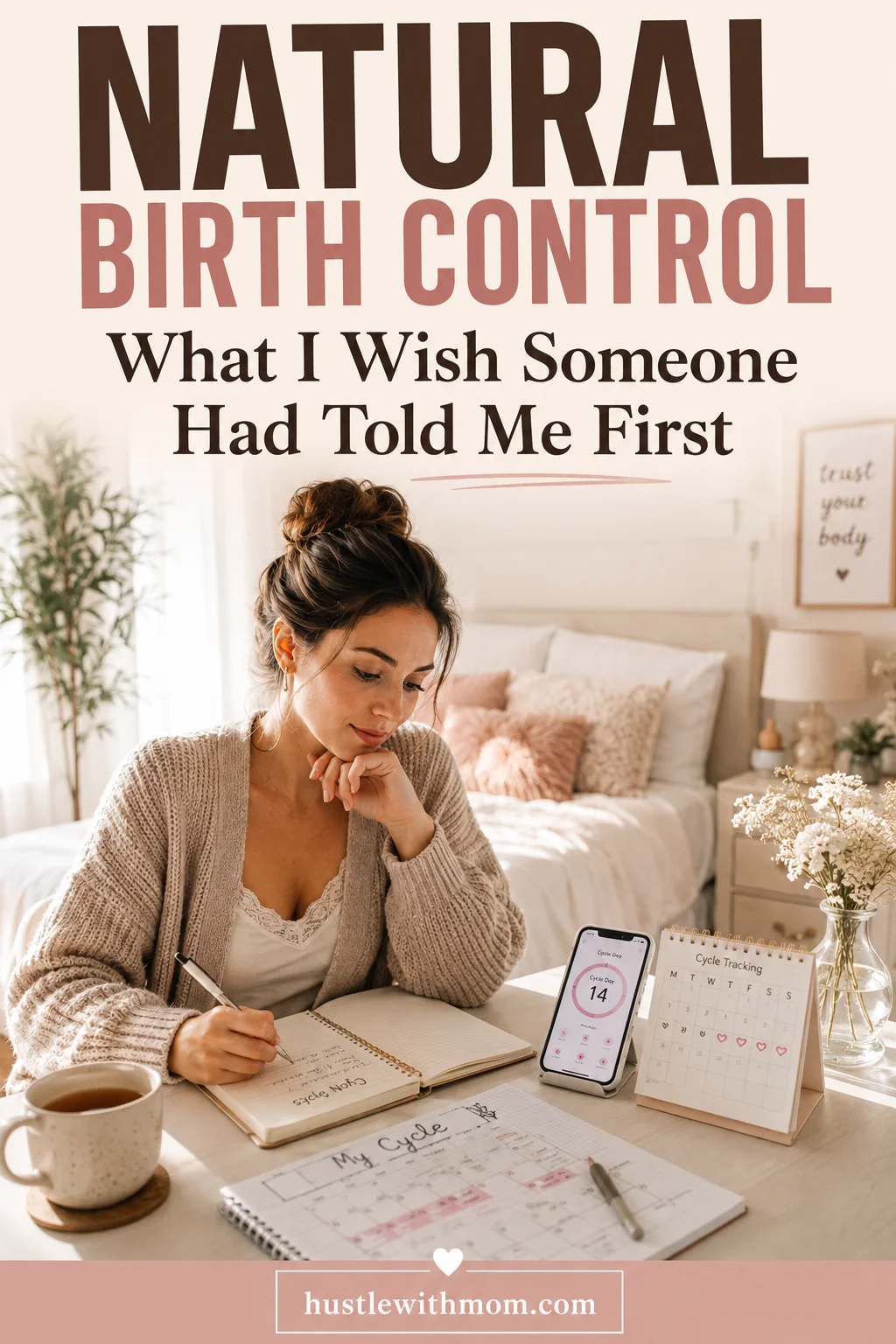
I still remember standing in my bathroom at 6:47 a.m., thermometer under my tongue, trying not to move a muscle because apparently even reaching for my phone could throw off the reading. My husband walked in, saw me frozen like a statue, and just laughed. “This is birth control now?” he asked. Yes. Yes it was.
That was my introduction to natural birth control, and honestly, nobody warned me how much daily commitment it actually takes. I’d heard the phrase tossed around by friends who wanted “no hormones, no side effects,” and it sounded almost too simple. Track your cycle, avoid sex on certain days, done. It is not that simple, and if you’re considering it, I want to walk you through what actually happens once you try it, not just the textbook version.
What Natural Birth Control Actually Means
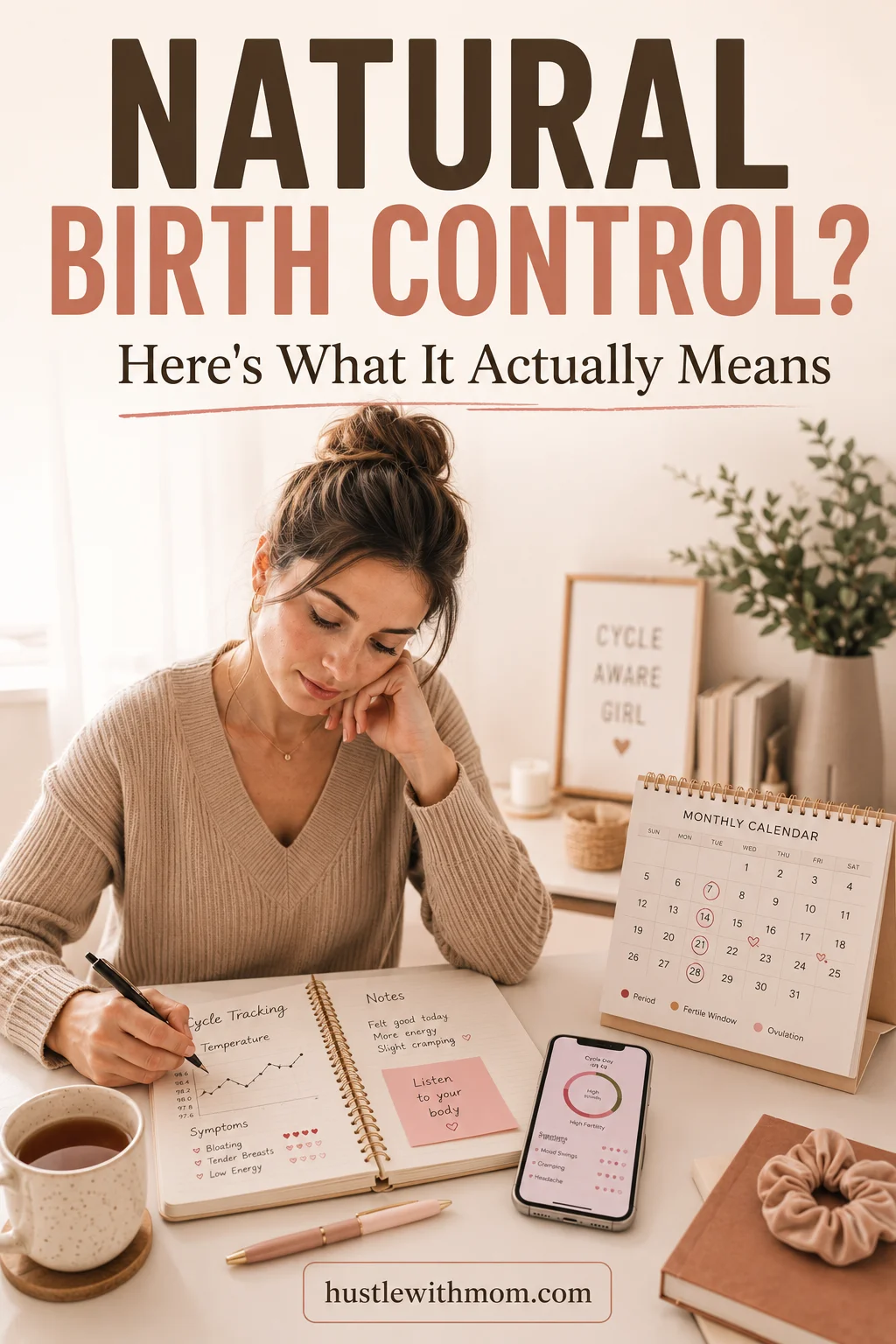
Natural birth control, also called fertility awareness methods (most people just say FAM) or natural family planning, is basically learning to read your body’s signals so you know which days you’re fertile and which days you’re not. No pills, no IUD, no patch. Just paying close attention to your menstrual cycle and your fertile window.
I want to be upfront here: this isn’t medical advice, and I’m not a doctor. Everything I’m sharing comes from my own experience and research, and I’d strongly recommend talking to an OB-GYN before you rely on any of this for real pregnancy prevention. The American College of Obstetricians and Gynecologists (ACOG) has solid, unbiased information if you want the clinical side.
Once I understood the basics, I realized this method attracts a very specific kind of person. If you’re someone who already tracks your period, likes data, and doesn’t mind a little routine, this might actually click for you. If you’re someone who forgets to charge your phone half the time (like my sister), it’s going to be a rough ride.
How Does It Actually Work?
Here’s the part nobody explained to me clearly at first. Your egg only survives about 12 to 24 hours after ovulation. But sperm? Sperm can hang around in your body for up to five days waiting for that egg to show up. So your actual fertile window isn’t just “ovulation day,” it’s roughly a six day stretch each cycle where pregnancy is possible.
Once I understood that math, the whole method made a lot more sense. You’re not just avoiding one risky day. You’re avoiding an entire window, and figuring out exactly where that window falls takes some homework.
The Methods I Actually Tried (and a Few I Didn’t)
Basal Body Temperature (BBT) Method
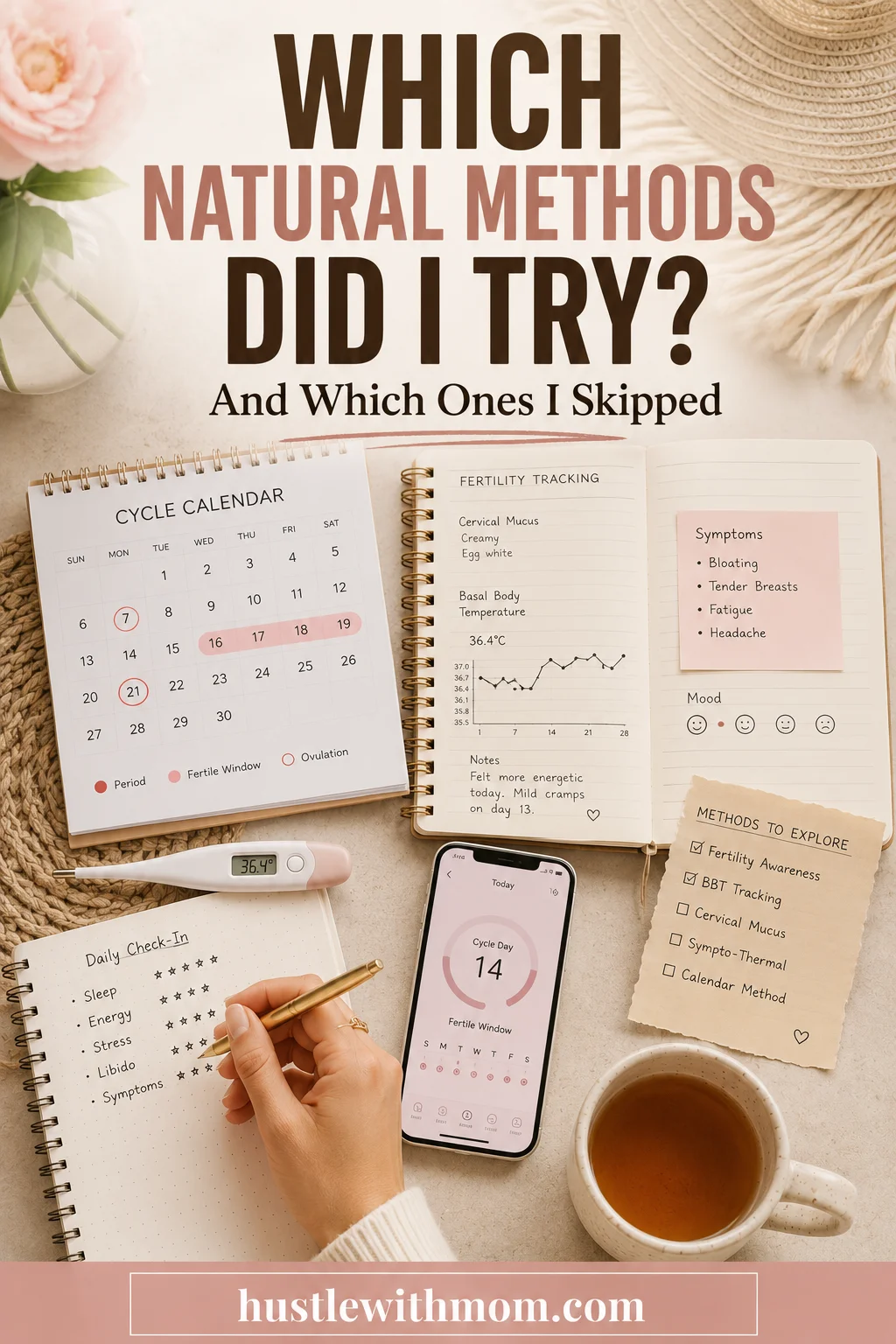
This is the thermometer-under-the-tongue routine I mentioned earlier. Your resting body temperature rises slightly, usually about half a degree, right after ovulation. You take your temperature every single morning before you even sit up in bed, and over a few months you start to see a pattern.
My honest take: this method is unforgiving. One night of bad sleep, one glass of wine, even a fever from a random cold, and your reading is off. I used a basic basal thermometer at first and eventually upgraded to a smart one that synced with an app, which made the whole thing far less annoying.
Cervical Mucus Method
This one felt strange to talk about at first, but it’s genuinely useful. Right around ovulation, cervical mucus becomes clear, stretchy, and slippery, kind of like raw egg whites. Outside that window it’s usually thicker or barely there. Once I got comfortable checking daily, this became my favorite indicator because it’s immediate, unlike temperature which only confirms ovulation after the fact.
Symptothermal Method
This combines BBT, cervical mucus, and sometimes cervix position tracking, all at once. It’s more accurate than any single method alone, but I’ll be honest, it’s also more work. I only fully committed to this once I felt confident with the individual pieces.
Standard Days and Calendar Method
If your cycle isn’t reliably between 26 and 32 days, skip this one. I tried the calendar method during a stressful work year when my cycle was all over the place, and it was basically useless. This method leans heavily on predictability, and stress, illness, or even travel can throw it off fast.
Lactational Amenorrhea Method (LAM)
After I had my daughter, a lactation consultant mentioned LAM to me almost in passing, and I wish she’d explained it more. LAM can be effective in the first six months postpartum, but only if you’re exclusively breastfeeding, your periods haven’t returned, and you’re feeding frequently, including at night. The moment any of those three conditions change, the effectiveness drops fast. If you’re navigating this stage, I actually put together a full breakdown on nutrition and what to drink while breastfeeding that covers some of the questions I had during that period too.
Withdrawal and Outercourse
Worth mentioning because a lot of couples use these alongside fertility tracking as backup options during the fertile window. Withdrawal in particular has a much higher real-world failure rate than people assume, mostly because pre-ejaculate can carry sperm too.
How Effective Is Natural Birth Control, Really?
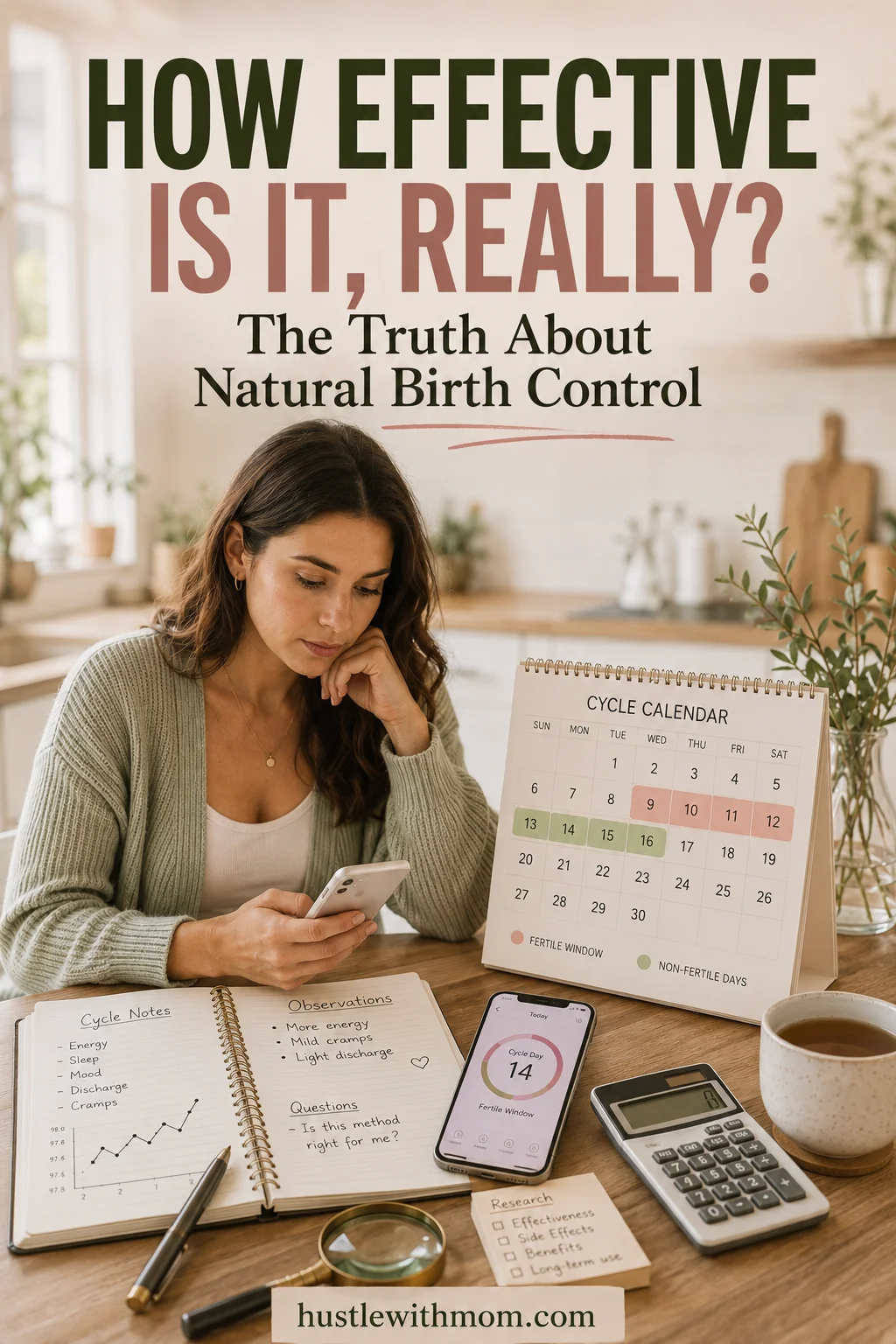
This is where I got frustrated researching online because every source throws out a different number. Here’s the clearest way I can explain it after digging through it myself.
“Perfect use” numbers, the ones that sound amazing (up to 98 percent for some symptothermal methods), assume you never miss a temperature reading, never misread your mucus, and never have sex on a day you shouldn’t. “Typical use,” meaning how real people with real lives actually use it, brings that number down significantly, often into the 76 to 88 percent range according to sources like the CDC and reporting summarized by outlets covering reproductive health.
For comparison, condoms sit around 87 percent typical use effectiveness, the pill is around 93 percent, and IUDs are over 99 percent. That gap between natural methods and other options is the single most important thing to understand before you commit to this as your only method.
The Real Benefits (From Someone Who Actually Noticed Them)
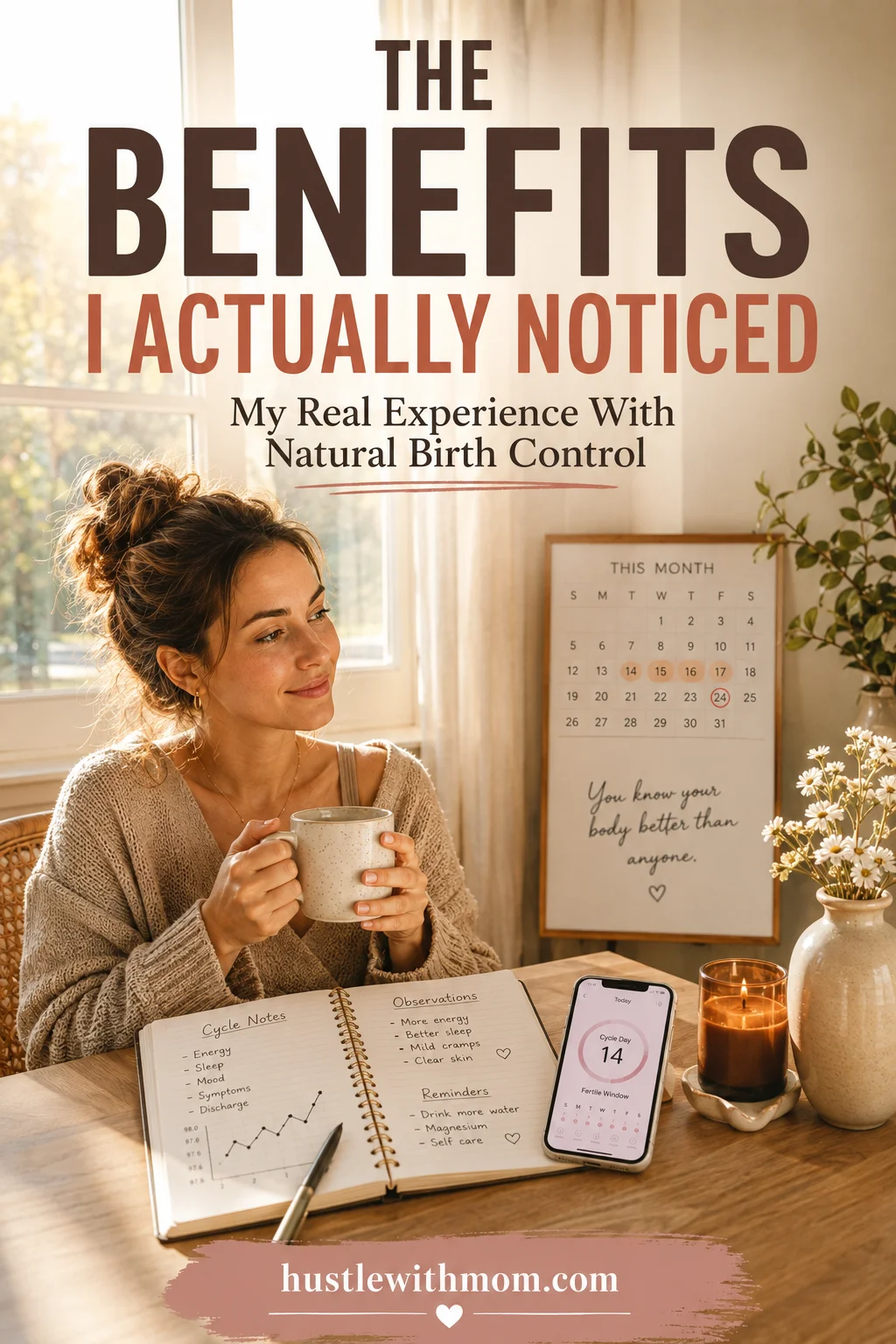
I’ll admit, the side effect free part was a genuine relief after years on the pill. No mood swings, no weight fluctuations I couldn’t explain, no monthly prescription refills.
The unexpected bonus was how much I learned about my own body. I started noticing patterns in my energy, my skin, even my sleep that lined up with where I was in my cycle. That kind of body literacy felt empowering in a way I didn’t expect going in.
It’s also basically free once you have a thermometer, which matters if you’re trying to be mindful about spending. If you’re already budgeting carefully around a growing family, that’s not nothing.
The Downsides Nobody Talks About Enough
No STI protection. This one gets glossed over constantly, but fertility awareness does absolutely nothing to protect against sexually transmitted infections. If that’s a concern for you or your partner, you still need condoms during any sexual activity, regardless of where you are in your cycle.
It takes real discipline. There were months I got lazy with tracking and just crossed my fingers, which honestly defeats the entire purpose.
Irregular cycles make it genuinely harder. If you’re dealing with PCOS, perimenopause, or you’re newly off hormonal birth control and your cycle hasn’t regulated yet, this method becomes far less reliable until things settle down. I’d strongly encourage anyone in that boat to talk to a doctor before leaning on this as their main method.
How to Actually Start This Month
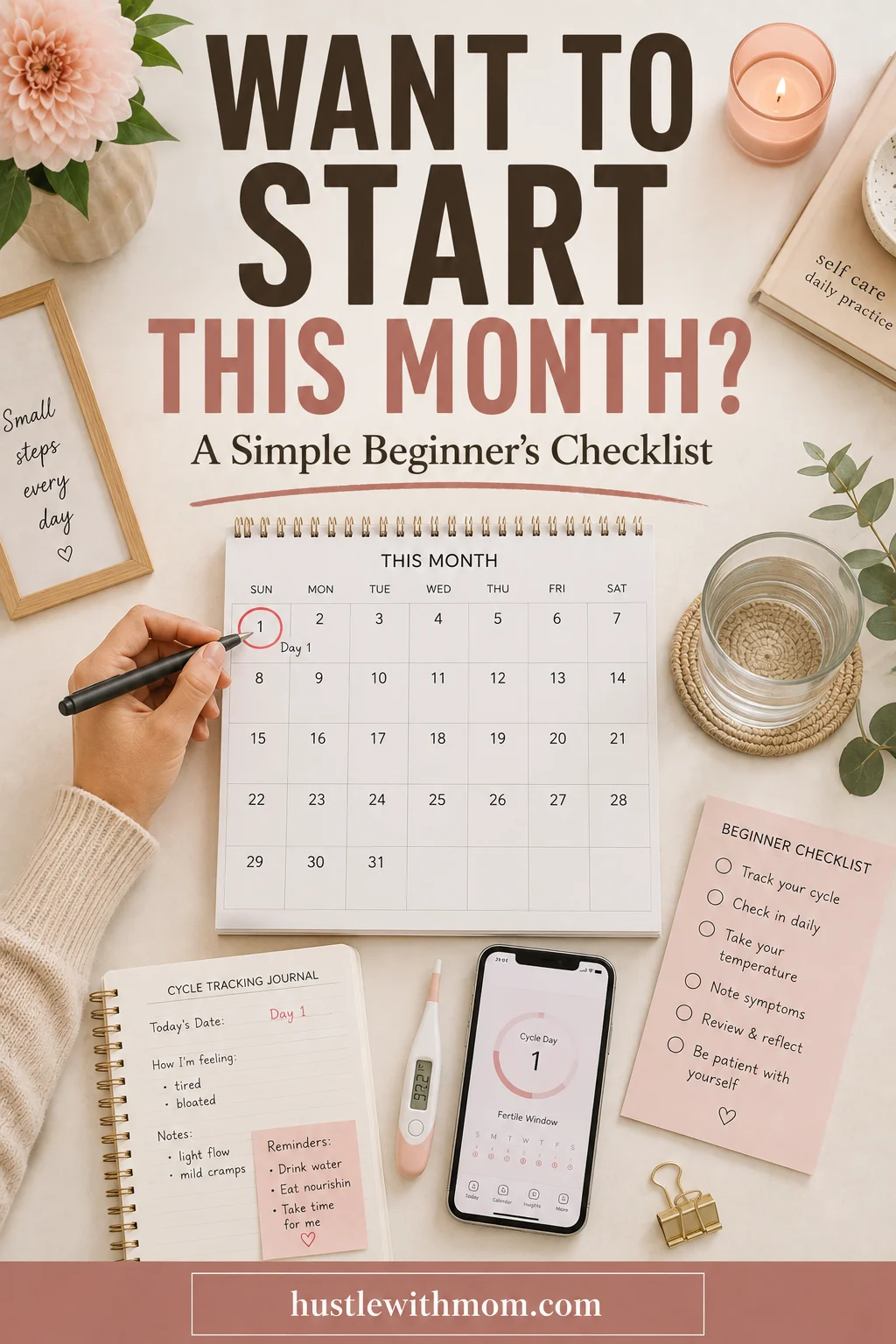
- Pick your tracking tools first. A basal thermometer (not a regular one, you need one that reads to the hundredth of a degree) and either a paper chart or an app like Natural Cycles, Kindara, or Clue.
- Track for at least two full cycles before relying on it. I made the mistake of trusting my data after just three weeks, which was way too soon.
- Take your temperature at the same time every morning, before getting up, talking, or even checking your phone.
- Check cervical mucus daily, ideally at the same time each day.
- Mark your fertile window clearly and decide in advance, with your partner, how you’ll handle those days.
- Have a backup plan. Condoms during your fertile window aren’t cheating on the method, they’re just smart.
Mistakes I See People Make Constantly
Starting the method right after coming off hormonal birth control, before cycles have regulated. Your body needs time to find its natural rhythm again.
Assuming one missed day of tracking doesn’t matter. It genuinely can.
Not communicating with your partner about the plan. This only works if you’re both on the same page about what happens during the fertile window.
Using it as a sole method without understanding the real effectiveness numbers going in.
Is Natural Birth Control Right for You?
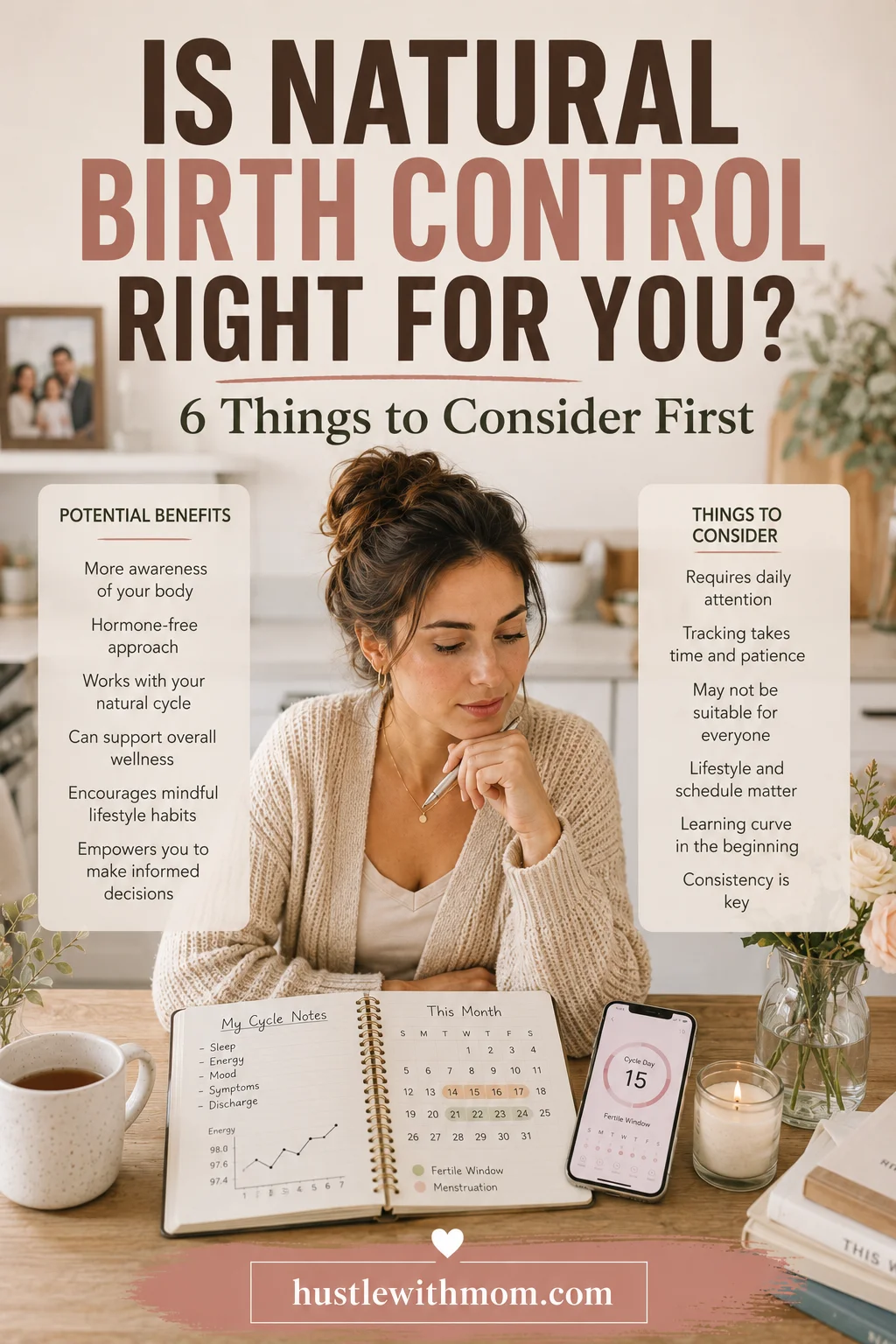
If you have a fairly regular cycle, you’re in a stable relationship where both partners are committed to the process, and you’re not relying on this to also prevent STIs, it can genuinely work well. If you have irregular cycles, an unpredictable schedule, or you simply can’t commit to daily tracking, I’d honestly recommend talking through other options with your provider first.
Frequently Asked Questions
Is natural birth control effective? It can be, with typical use effectiveness generally falling between 76 and 88 percent depending on the method and how consistently it’s used.
Does natural birth control protect against STIs? No. You still need condoms for STI protection regardless of where you are in your cycle.
Can I use natural birth control while breastfeeding? The lactational amenorrhea method can work in the first six months postpartum under specific breastfeeding conditions, but it’s worth discussing your exact situation with a lactation consultant or OB-GYN.
What foods act as natural birth control? None reliably do. This is a common myth, and no food has been proven to prevent pregnancy the way an actual contraceptive method can.
How long before switching methods should I start tracking? Most experts recommend at least two to three full cycles of consistent tracking before relying on fertility awareness as your primary method.
Final Thoughts
Natural birth control taught me more about my own body than any doctor’s appointment ever had, and I don’t regret trying it. But I’d be doing you a disservice if I made it sound easier than it actually is. It takes real commitment, a stable cycle, and honest conversations with your partner.
If you’re pregnant now or planning ahead, it’s also worth reading through my first trimester tips and my postpartum planner guide, both of which cover the stretch of time right before and after you’d be making decisions like this one.
And whatever you choose, please have this conversation with a healthcare provider before you rely on any method, natural or otherwise, for something this important.