

Postpartum hemorrhoids are a common problem after pregnancy and childbirth. These swollen veins can cause itching, pain, burning, and discomfort when sitting or using the bathroom. Hemorrhoids after childbirth may develop due to pressure during pregnancy, straining during labor, or constipation after delivery. Some women notice a painful lump near the anus, while others experience swelling or bright red blood during bowel movements.
Although these symptoms can make postpartum recovery difficult, many cases improve with simple home care and time. You can ease discomfort by taking warm sitz baths, using cold compresses, eating fiber-rich foods, and avoiding straining. This guide covers the causes, symptoms, treatments, and seven practical ways to find relief, including options to discuss with your healthcare provider while breastfeeding.
What Are Postpartum Hemorrhoids?
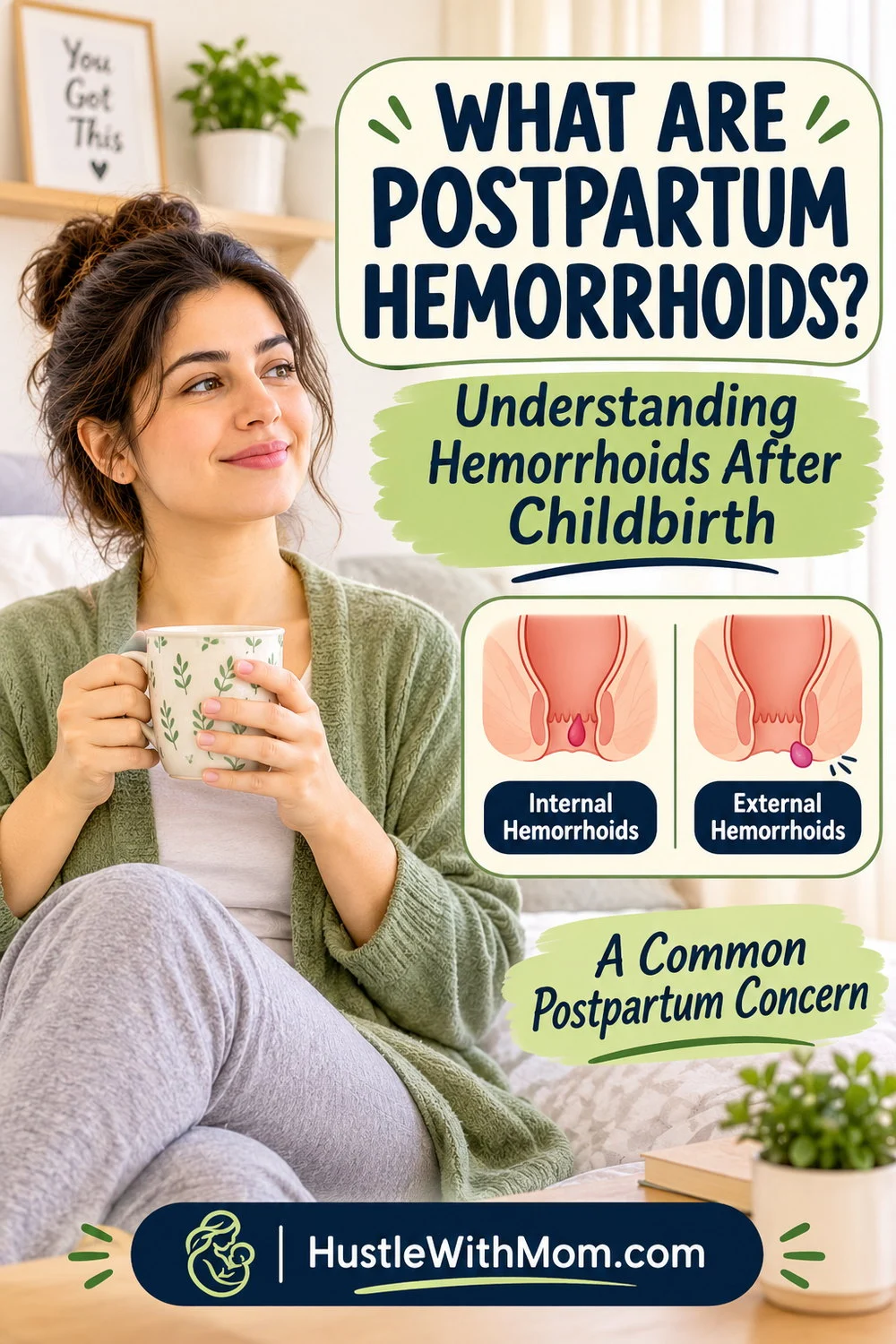
Postpartum hemorrhoids are swollen veins in or around the anus that develop during pregnancy or after childbirth. They form when pressure builds around the lower rectum, causing the anal veins and rectal veins to swell. These swollen blood vessels may cause itching, discomfort, pain, or bleeding during bowel movements. Doctors also call this condition postpartum piles. Although hemorrhoids can appear at any age, pregnancy makes them more common because the growing uterus and physical changes put extra pressure on the pelvic area.
You may notice rectal swelling, irritation, or a small lump when cleaning yourself after using the bathroom. Some hemorrhoids remain inside the rectum, while others develop beneath the skin around the anus. The discomfort can make everyday activities harder, especially when you’re already adjusting to newborn care and postpartum recovery. The American College of Obstetricians and Gynecologists (ACOG) explains that hemorrhoids may worsen immediately after delivery and gradually improve during the postpartum period. You can also read this postpartum recovery guide for new mothers to learn more about caring for yourself after birth.
Internal vs. External Hemorrhoids
Internal hemorrhoids develop inside the rectum, where you usually can’t see or feel them. They often cause painless bleeding, particularly when you pass stool. However, larger internal hemorrhoids may push through the anus, creating prolapsed hemorrhoids. External hemorrhoids form under the skin around the anal opening. They can cause anal itching, irritation, swelling, and anal pain, especially when sitting or passing stool. Sometimes, a blood clot develops inside an external hemorrhoid. Doctors call this a thrombosed hemorrhoid, and it can cause sudden, severe pain with a firm, tender lump. Both types can affect mothers after delivery, although their symptoms may differ.
Can You Get Hemorrhoids After a Vaginal or C-Section Birth?
Yes, you can develop hemorrhoids after vaginal delivery or a Cesarean section. Pregnancy itself creates pressure around the pelvic and rectal veins, so changing your delivery method doesn’t remove every risk. During vaginal delivery, pushing can increase pressure around already swollen veins. Prolonged labor and straining during childbirth may make existing hemorrhoids more uncomfortable. However, hemorrhoids after C-section can also occur because pregnancy-related pressure, constipation, and reduced movement may continue affecting your body. The important point is that hemorrhoids aren’t limited to one type of birth.
What Causes Hemorrhoids After Childbirth?
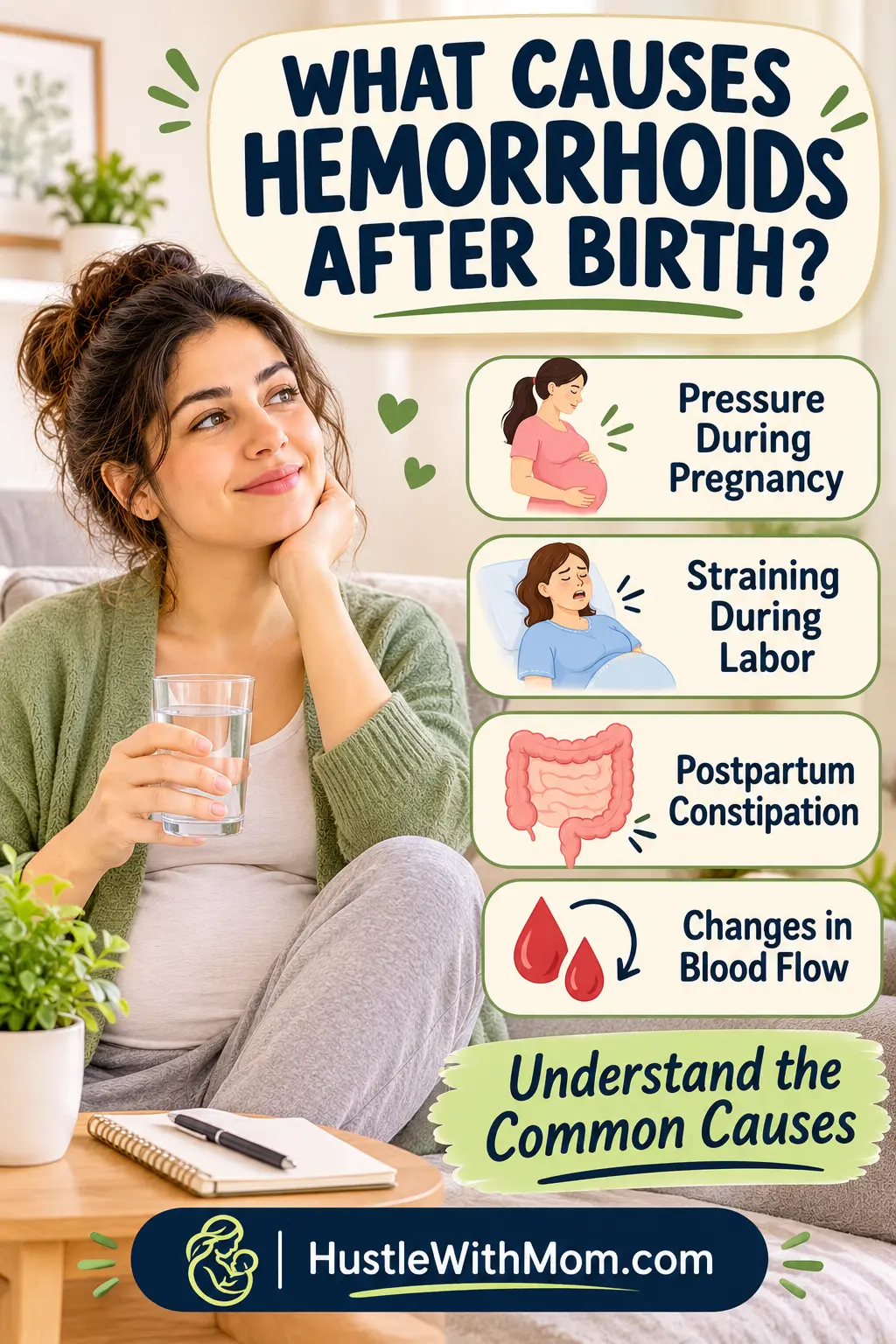
If you’re wondering, why do hemorrhoids happen after delivery, the answer usually involves several physical changes rather than one single cause. During pregnancy, your growing uterus puts pressure on the veins around your pelvis. Your body also increases blood volume to support your developing baby. These changes can make the veins around your rectum swell. After birth, pushing during labor, constipation, and changes in daily movement may aggravate the problem. Some women experience hemorrhoids during the third trimester, while others notice them for the first time after delivery.
Your recovery habits can also influence symptoms. For example, sitting for long periods while feeding your baby may feel uncomfortable when you already have swollen veins. Certain pain medications can also contribute to constipation, making bowel movements harder. When you combine these factors with reduced mobility and dehydration, hemorrhoid symptoms may become more noticeable. Understanding the causes can help you choose practical ways to manage discomfort and support healing.
Increased Pressure During Pregnancy
As your baby grows, the uterus places increasing pressure on the veins in your lower body. This creates additional pelvic pressure and can slow the return of blood from the lower rectal area. Pregnancy hormones, particularly progesterone, also relax smooth muscles and can slow digestion. As a result, some women experience constipation and harder stools. The combination of increased abdominal pressure, changes in blood circulation, and pressure on the pelvic veins can contribute to swollen hemorrhoidal veins.
Straining During Labor and Delivery
Pushing during labor and delivery places considerable pressure on the pelvic floor and surrounding tissues. This pressure can aggravate existing hemorrhoids or cause new swelling around the anus. Women who experience prolonged labor may notice greater discomfort afterward, particularly if they already had hemorrhoids during pregnancy. However, not every woman who pushes during delivery develops hemorrhoids. Your individual health, pregnancy history, and bowel habits also play a role.
Postpartum Constipation and Hard Stools
Postpartum constipation is another common reason hemorrhoids become painful after delivery. Your bowel movements may change because of pain medication, reduced activity, dehydration, or changes in your eating routine. When stool becomes hard, passing it requires more effort. This extra pressure can irritate swollen veins and cause painful bowel movements. Some mothers also delay using the bathroom because they’re afraid of pain from hemorrhoids or perineal stitches. Unfortunately, waiting can make constipation worse.
Hormonal Changes and Reduced Blood Flow
Hormonal changes don’t stop immediately after childbirth. Your digestive system and circulation need time to adjust as your body returns toward its pre-pregnancy state. Progesterone can slow bowel movement during pregnancy, while pressure on pelvic veins can contribute to swelling. These changes work alongside constipation and straining rather than acting as a single direct cause. Maintaining healthy bowel habits can help reduce additional pressure during recovery.
Sitting for Long Periods After Giving Birth
Newborn care often means spending long periods sitting while feeding, holding, or soothing your baby. Unfortunately, prolonged sitting can increase pressure around an already irritated anal area. You don’t need to avoid sitting completely, but changing positions and taking gentle walks can help. If sitting hurts, try a comfortable position that doesn’t place direct pressure on the swollen area.
What Are the Symptoms of Postpartum Hemorrhoids?
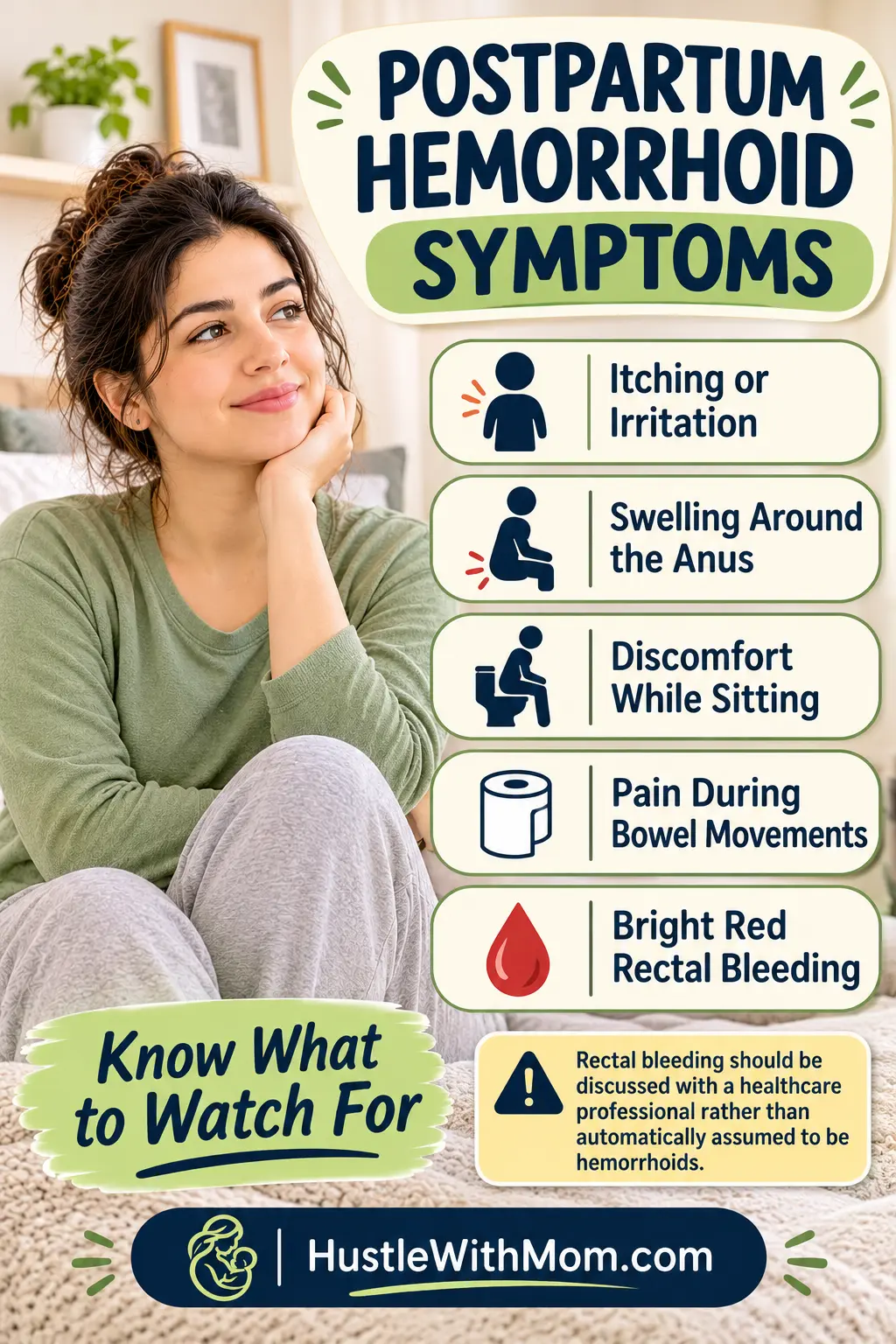
The common symptoms of postpartum hemorrhoids can range from mild irritation to significant pain. You might notice itching after using the bathroom, swelling around the anus, or discomfort when sitting. Some women experience bright red blood during bowel movements, while others feel a small lump near the anal opening. These symptoms often become more noticeable when passing hard stool or straining. However, rectal bleeding doesn’t always come from hemorrhoids, so don’t assume the cause without proper medical advice.
You may also experience a burning sensation, tenderness, or irritation that makes cleaning the area uncomfortable. External hemorrhoids usually cause more noticeable swelling and pain, while internal hemorrhoids may bleed without causing much discomfort. A painful lump can sometimes indicate a blood clot inside an external hemorrhoid. Pay attention to sudden changes, severe pain, or persistent bleeding because these symptoms deserve medical evaluation.
Common Signs of External Hemorrhoids
External hemorrhoids often appear as sensitive lumps near the anus. The surrounding skin may feel swollen, tender, or irritated. You might experience anal inflammation, itching, and a burning sensation after bowel movements. Sitting on a firm chair may also increase discomfort. If a clot develops inside the swollen vein, the lump can become firm and extremely painful. Sudden severe pain deserves prompt medical attention.
Symptoms of Internal Hemorrhoids
Internal hemorrhoids develop inside the rectum, so you may not notice them until they cause bleeding. You might see bright red blood on toilet paper or in the toilet after passing stool. Larger hemorrhoids can sometimes protrude through the anus, causing pressure or discomfort. These are known as prolapsed hemorrhoids. Although internal hemorrhoids often cause little pain, bleeding or tissue that stays outside the anus should be checked by a healthcare professional.
Rectal Bleeding, Pain, Itching, and Swelling
Rectal bleeding, itching, and swelling can occur with hemorrhoids, but these symptoms aren’t proof of the condition. Anal fissures, infections, and other digestive problems can cause similar discomfort. Pay attention to whether the blood appears during a bowel movement or comes from vaginal postpartum bleeding. If you can’t identify its source, contact your healthcare provider. Repeated bleeding, severe pain, or worsening swelling needs medical assessment.
How to Get Relief From Postpartum Hemorrhoids: 7 Home Remedies
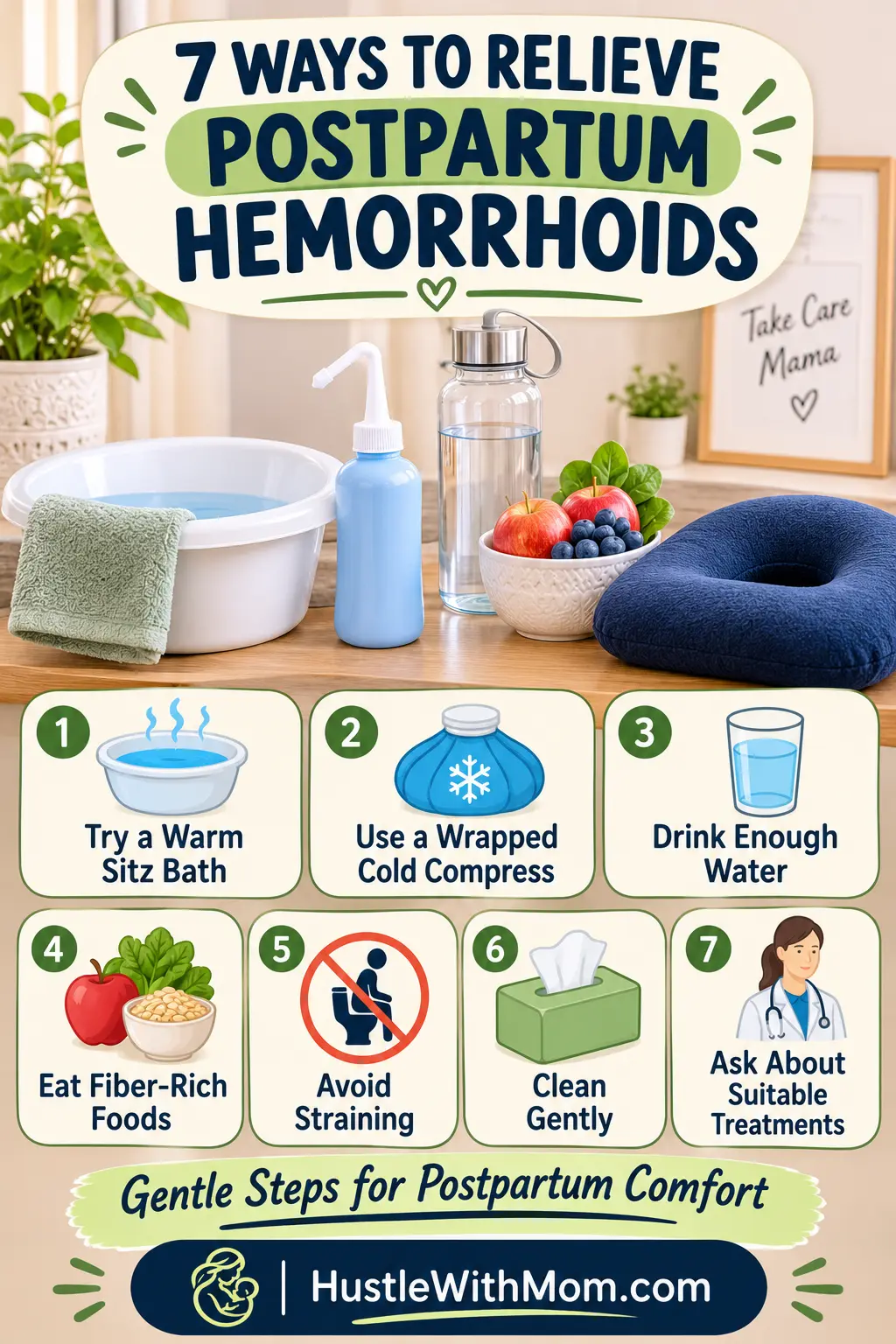
Finding postpartum hemorrhoid pain relief doesn’t always require complicated treatments. If your symptoms are mild, simple home care may reduce irritation and make bowel movements more comfortable. The best approach focuses on soothing swollen tissue, preventing constipation, and avoiding pressure around the anus. These natural remedies for postpartum hemorrhoids can help you manage discomfort while your body heals. However, they don’t replace medical treatment when symptoms become severe or persistent.
If you’re searching for how to get rid of postpartum hemorrhoids, start with gentle care and healthy bowel habits. You don’t need to try every remedy at once. Choose practical options that fit your recovery needs and follow your healthcare provider’s advice, especially after a complicated delivery. Here are seven home remedies for hemorrhoids after birth that may help.
Take a Warm Sitz Bath
A warm sitz bath for hemorrhoids can soothe irritated skin and temporarily ease discomfort. It involves sitting in a few inches of comfortably warm water for around 10 to 15 minutes. You can use a regular bathtub or a small basin designed to fit over your toilet. Try soaking two or three times daily, especially after bowel movements, if it feels helpful. Use plain water rather than adding scented soaps or bath products that may irritate sensitive skin. Pat the area dry gently instead of rubbing it. Warm water may ease discomfort, although research on its direct effect on hemorrhoid healing remains limited.
Apply a Cold Compress or Ice Pack
A cold compress for hemorrhoid pain may help reduce temporary swelling and numb the irritated area. Wrap an ice pack in a clean, soft towel and place it against the affected area for short periods. Never apply ice directly to your skin because extreme cold can cause tissue damage. Ice packs for postpartum swelling can be particularly soothing during the first few days after delivery. Remove the compress if your skin becomes uncomfortable or unusually numb. You can alternate cold therapy with warm sitz baths if both methods provide relief.
Increase Fiber Intake
Eating more fiber helps soften stool and makes bowel movements easier to pass. This matters because hard stools and straining can aggravate hemorrhoids. Include high-fiber foods for constipation such as oatmeal, beans, lentils, pears, apples, berries, broccoli, and whole grains. You can also add chia seeds or ground flaxseed to yogurt or oatmeal. Increase fiber gradually so your digestive system has time to adjust. If food alone doesn’t provide enough fiber, ask your healthcare provider whether supplements such as psyllium are suitable. The NIDDK recommends fiber-rich foods as a first step in managing hemorrhoids.
Drink Plenty of Water
Drinking water to prevent constipation supports softer bowel movements and helps fiber work properly. When you don’t drink enough fluids, stool can become harder and more difficult to pass. Keep a water bottle nearby, especially if you’re breastfeeding or frequently caring for your newborn. Your fluid needs depend on your activity, health, and feeding routine, so follow your provider’s advice. Water, milk, and other suitable drinks can contribute to your daily fluid intake. Staying hydrated won’t cure hemorrhoids, but it can help prevent constipation from making symptoms worse.
Avoid Straining During Bowel Movements
One of the simplest ways to reduce hemorrhoid swelling is to stop putting extra pressure on the affected veins. Try to avoid straining during bowel movements, even when you feel constipated. Respond when you feel the urge to use the bathroom rather than waiting until later. Avoid sitting on the toilet for long periods while scrolling through your phone. If passing stool feels difficult, ask your provider about stool softeners or other constipation treatments. These small changes can support healthy bowel habits after childbirth and reduce repeated irritation.
Use Witch Hazel Pads for Temporary Relief
Witch hazel pads for hemorrhoids are commonly available at US pharmacies and may temporarily soothe itching and irritation. Many mothers use them after bowel movements to gently clean the area without rubbing. Choose an unscented product and follow the package instructions. Stop using it if you notice burning, a rash, or increased irritation. Witch hazel may provide short-term comfort, but it doesn’t remove swollen veins or treat every underlying cause. You can ask your healthcare provider or pharmacist whether a particular product suits your symptoms.
Try Gentle Movement and Avoid Prolonged Sitting
Gentle movement can support bowel activity and make postpartum recovery more comfortable. Start with short walks when your healthcare provider says you’re ready. Walking to improve blood circulation may also help you avoid spending too much time in one position. If you had a C-section, severe tearing, or delivery complications, follow your specific activity restrictions. During feeding sessions, use supportive pillows and change positions when possible. You can also explore this postpartum workout guide for gentle recovery once your provider clears you for exercise.
What Are the Treatment Options for Postpartum Hemorrhoids?
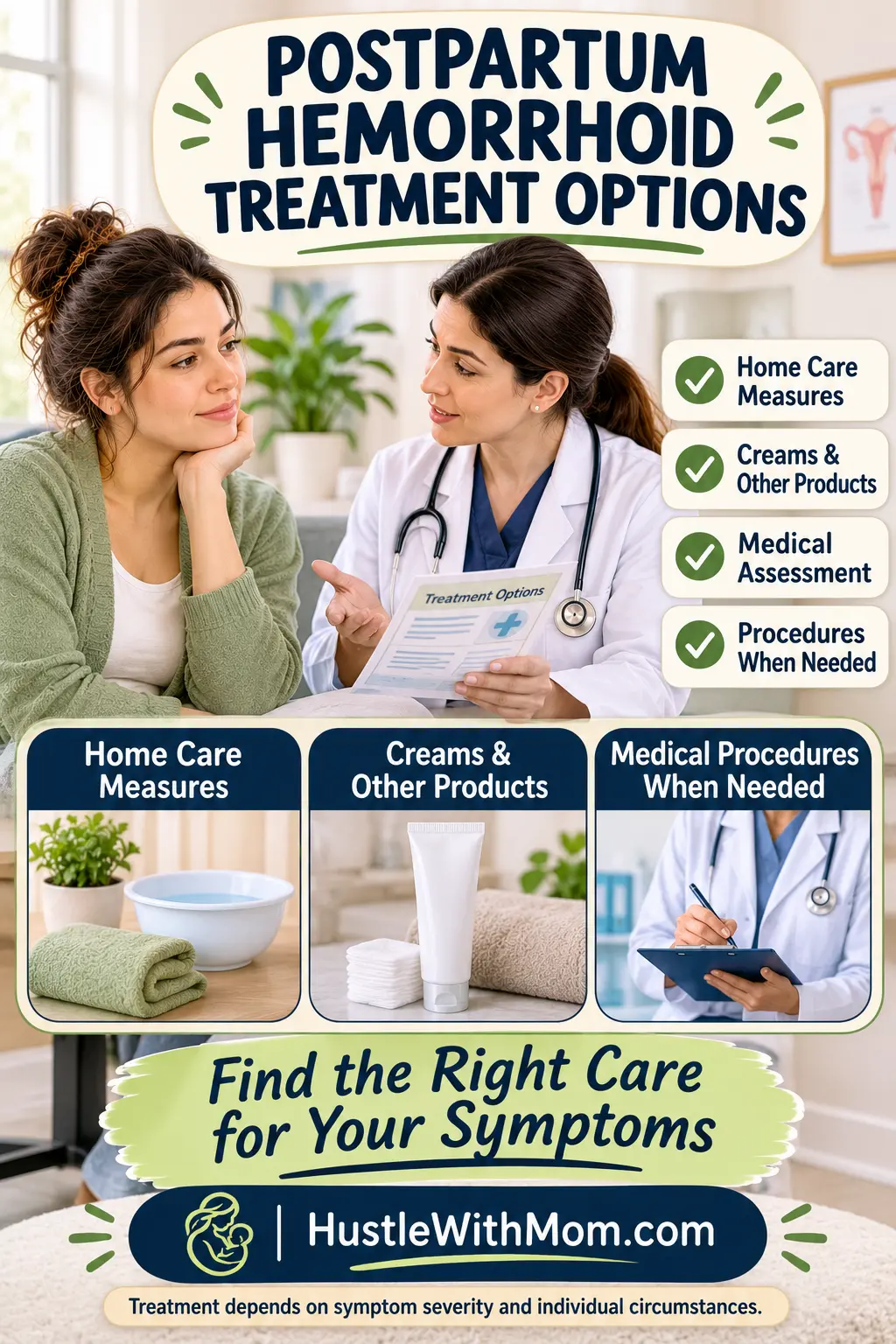
Home care works well for many mild cases, but sometimes you need additional support. How to treat hemorrhoids after childbirth depends on their size, location, severity, and how long symptoms have lasted. A healthcare provider may recommend topical products, fiber supplements, stool softeners, or other treatments. These options can help control symptoms while your body heals. If home remedies don’t improve your condition, an examination can confirm whether hemorrhoids are responsible.
A doctor may also recommend a procedure if hemorrhoids keep bleeding, prolapse, or cause significant discomfort. Most mothers don’t need surgery, particularly when symptoms improve with conservative care. However, persistent or severe cases deserve proper treatment rather than months of discomfort. The NIDDK explains that doctors can use office procedures for certain internal hemorrhoids and surgery for selected advanced cases.
Over-the-Counter Hemorrhoid Creams and Ointments
US pharmacies sell several hemorrhoid creams and ointments that may temporarily relieve itching, swelling, and pain. Some contain hydrocortisone to reduce inflammation, while others include local anesthetics such as lidocaine to numb discomfort. Certain products also contain protectants that soothe irritated skin. Follow the product label and avoid using hydrocortisone longer than recommended. Many over-the-counter products are intended for short-term symptom relief rather than permanent treatment. If symptoms continue after about a week, contact your healthcare provider.
Stool Softeners and Fiber Supplements
Stool softeners after delivery may help when constipation makes bowel movements painful. Your provider might also recommend fiber supplements such as psyllium to increase stool bulk and improve regularity. These products can reduce the need to strain, which is important when hemorrhoids are already irritated. Drink enough fluids when increasing fiber and follow the recommended dose. Don’t combine several constipation treatments without checking whether they are suitable for your recovery.
Prescription Treatments
If over-the-counter products don’t help, your provider may consider prescription treatments based on your symptoms. Some medications reduce inflammation or provide stronger local pain relief. However, not every painful lump needs prescription medicine. Your doctor may first check for an anal fissure, infection, or thrombosed hemorrhoid. Tell them about all medications you’re taking and whether you’re breastfeeding before starting a new treatment.
Medical Procedures for Severe Hemorrhoids
When hemorrhoids remain painful or bleed despite conservative care, a specialist may discuss medical procedures. Rubber band ligation treats selected internal hemorrhoids by cutting off their blood supply. Sclerotherapy involves injecting a solution that causes the hemorrhoid to shrink. Infrared coagulation uses heat to create scar tissue and reduce blood flow to the affected vein. Doctors may recommend hemorrhoid surgery, such as a hemorrhoidectomy, for certain large or persistent hemorrhoids. Some clinics also offer laser hemorrhoid treatment, but its suitability and evidence vary. These procedures aren’t routine treatments for every postpartum case. A specialist should explain the benefits, risks, and recovery needs before you decide.
Are Postpartum Hemorrhoid Treatments Safe While Breastfeeding?
Many mothers worry about medication exposure while nursing. The question are hemorrhoid treatments safe while breastfeeding depends on the active ingredient, dose, application area, and your baby’s health. Some topical products have low absorption into the bloodstream and may be suitable during breastfeeding. However, you shouldn’t assume every cream, suppository, or oral medication is safe simply because it’s available without a prescription. Check with your healthcare provider or pharmacist before using a new product. You can also read this guide about what mothers should know about supplements while breastfeeding.
Topical Treatments and Breastfeeding
Some hemorrhoid creams while breastfeeding contain ingredients such as hydrocortisone, lidocaine, or zinc oxide. The UK’s Specialist Pharmacy Service considers several topical and rectal hemorrhoid preparations compatible with breastfeeding healthy, full-term infants. The NHS also says short-term hydrocortisone treatment for piles can generally be used while breastfeeding. Use the lowest effective amount for the shortest appropriate time. Wash your hands after application and prevent your baby from touching treated skin. These recommendations may differ for premature or unwell infants, so individual advice matters.
Medicines to Discuss With Your Healthcare Provider
Discuss stool softeners, fiber supplements, pain relievers, and prescription products with your provider before using them. Some pain medicines can worsen constipation, which may increase pressure during bowel movements. Your provider can help select an option that suits your recovery and feeding routine. ACOG notes that ibuprofen and acetaminophen are generally compatible with breastfeeding when used appropriately. However, your medical history and other medications may affect the best choice. Never stop a prescribed medicine or start a new one without checking first.
How Long Do Postpartum Hemorrhoids Last?
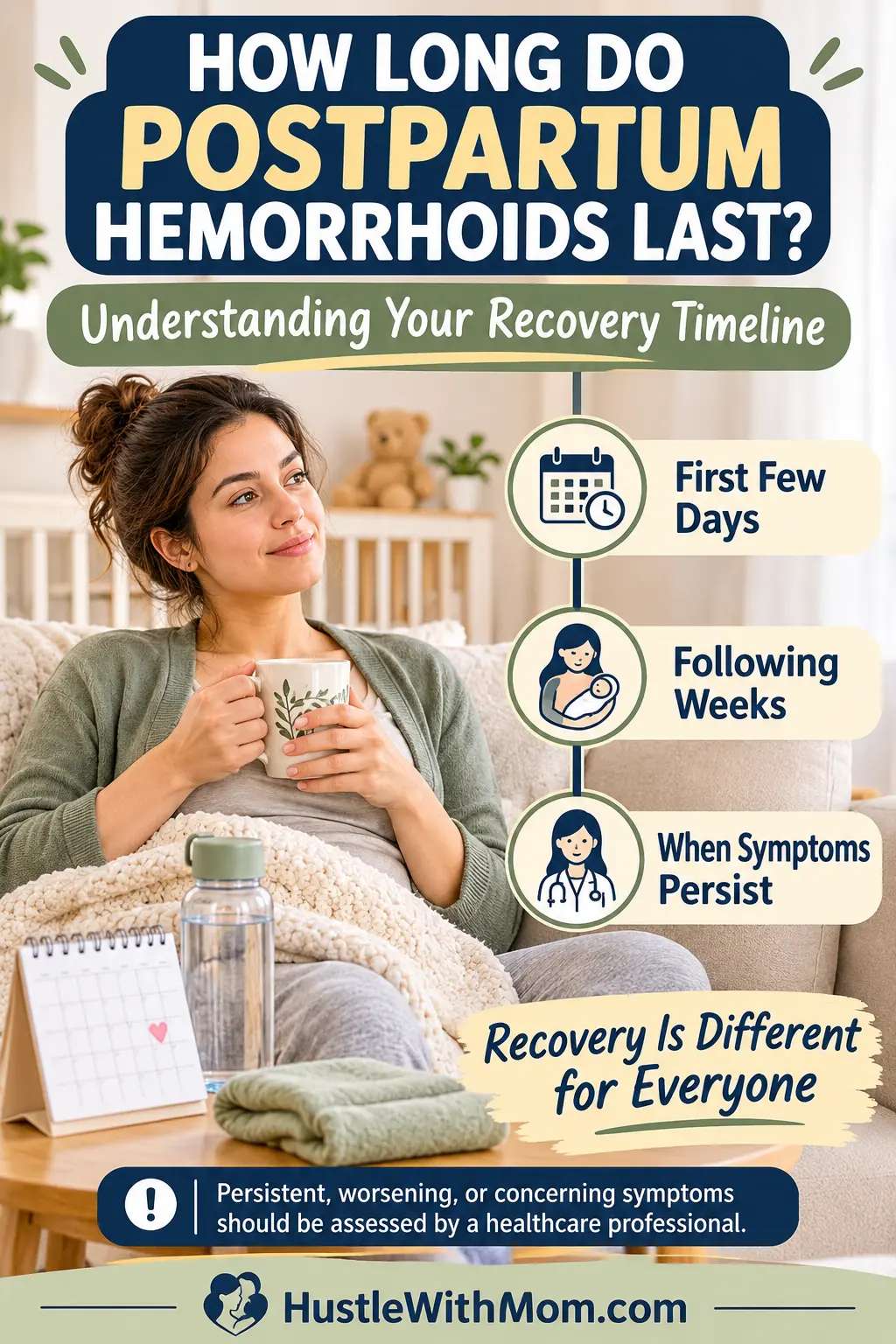
One of the most common questions new mothers ask is, how long do postpartum hemorrhoids last? The answer depends on their size, severity, and the factors causing them. Mild hemorrhoids often improve within several days or a few weeks, especially when you manage constipation and avoid straining. However, larger external hemorrhoids or thrombosed hemorrhoids may take longer to settle. ACOG explains that postpartum symptoms vary between individuals, and some discomfort can continue for several weeks.
So, do postpartum hemorrhoids go away on their own? Many mild cases improve without medical procedures, but persistent symptoms shouldn’t be ignored. If you’re experiencing hemorrhoids lasting months after delivery, arrange an examination to confirm the cause. Ongoing bleeding, pain, or swelling may require treatment. You can also use a postpartum essentials checklist to prepare practical recovery supplies and make your daily routine easier.
When Do Postpartum Hemorrhoids Usually Improve?
Many mild hemorrhoids gradually shrink as pressure decreases after delivery. You may notice less itching, swelling, and discomfort over the first few weeks. Eating fiber-rich foods, drinking enough water, and using warm baths can support recovery. However, there’s no guaranteed timeline for every mother. If symptoms don’t improve after a week of home treatment, or bleeding continues, contact your healthcare provider.
Why Some Hemorrhoids Last for Months
Persistent constipation, repeated straining, and larger external hemorrhoids can delay improvement. Some mothers also develop painful clots or prolapsed tissue that needs medical attention. In other cases, symptoms that seem like hemorrhoids may come from an anal fissure or another condition. Don’t assume prolonged discomfort is simply part of postpartum recovery. An examination can help identify the actual problem.
Can Postpartum Hemorrhoids Become Chronic?
Yes, some women experience recurring or long-lasting hemorrhoids after pregnancy. Chronic hemorrhoids may remain troublesome when constipation, straining, and pressure continue. Previous hemorrhoids can also return during another pregnancy, particularly when similar risk factors develop. This is known as hemorrhoid recurrence. If symptoms keep returning, discuss longer-term treatment and prevention with a specialist.
Can You Prevent Hemorrhoids After Giving Birth?
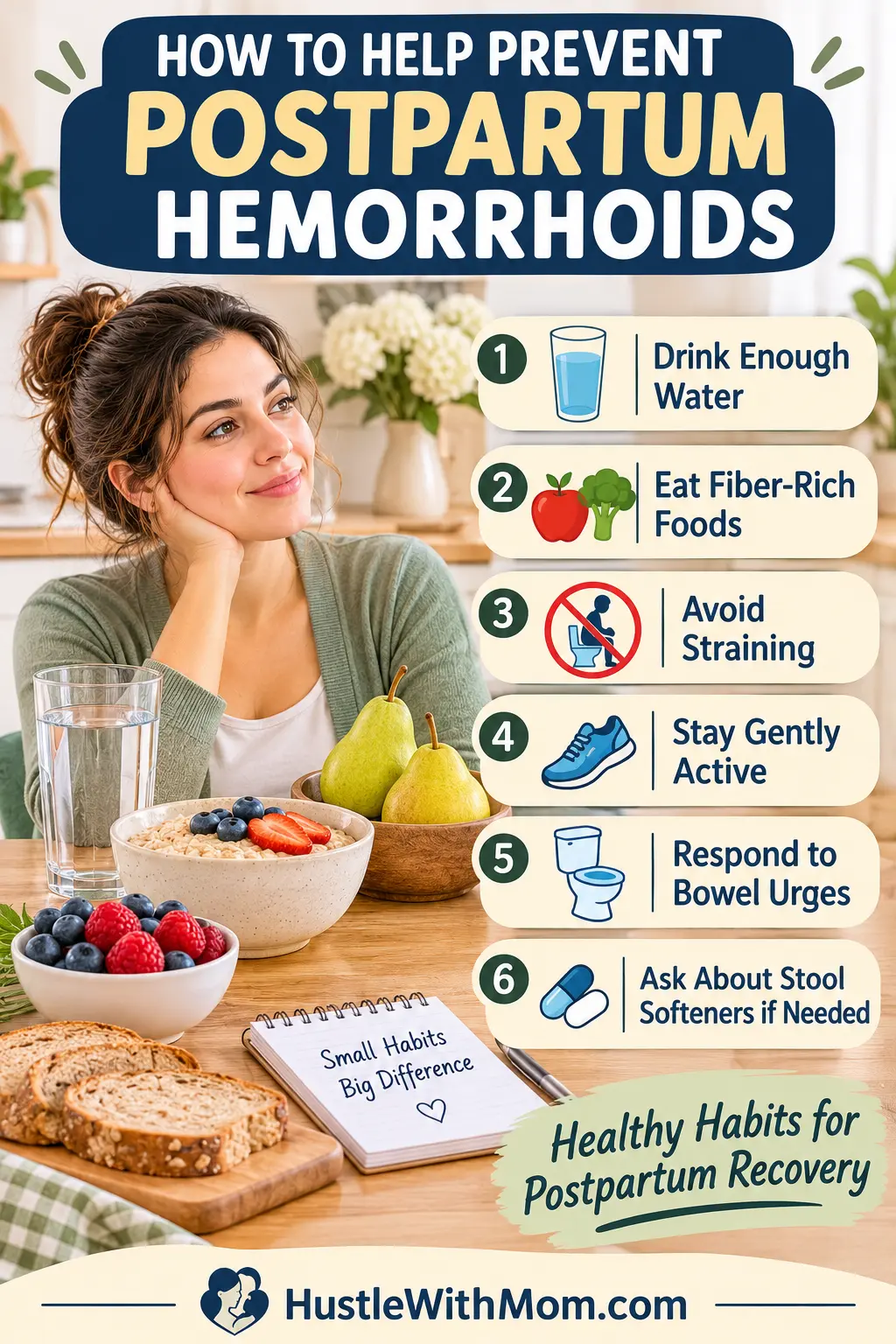
You can’t prevent every case, especially when pregnancy-related pressure and labor contribute to swollen veins. However, preventing hemorrhoids after childbirth becomes easier when you manage constipation and maintain healthy bathroom habits. Eating enough fiber, drinking fluids, and staying gently active can reduce unnecessary pressure during bowel movements. These habits also support your digestive health while your body adjusts after delivery.
Start with small changes that fit your daily routine. Keep water nearby, add vegetables and whole grains to meals, and avoid delaying bathroom visits. If constipation continues, ask your healthcare provider about suitable stool softeners or fiber supplements. Mothers recovering from delivery should also follow their provider’s activity advice rather than rushing into exercise.
Prevent Postpartum Constipation
The best way to prevent postpartum constipation is to support regular, comfortable bowel movements. Include fruits, vegetables, beans, oats, and whole grains in your meals. Drink enough fluids and gradually increase fiber to avoid bloating. If pain medication affects your digestion, ask your provider about alternatives or constipation treatment. Managing constipation early can help prevent repeated irritation.
Maintain Healthy Bowel Habits
Try to use the bathroom when you feel the urge instead of waiting. Avoid sitting on the toilet for long periods or pushing hard to pass stool. Gentle cleaning after bowel movements can also reduce irritation around sensitive skin. These healthy bowel habits after childbirth may help prevent additional pressure on swollen veins.
Avoid Excessive Straining and Prolonged Sitting
Don’t force a bowel movement when stool feels difficult to pass. Instead, address constipation with fluids, fiber, and medical advice when needed. Change positions regularly if you’re sitting while feeding your baby. Short walks, when medically appropriate, can also support digestion. Small daily habits can make postpartum recovery more comfortable.
When Should You See a Doctor About Postpartum Hemorrhoids?
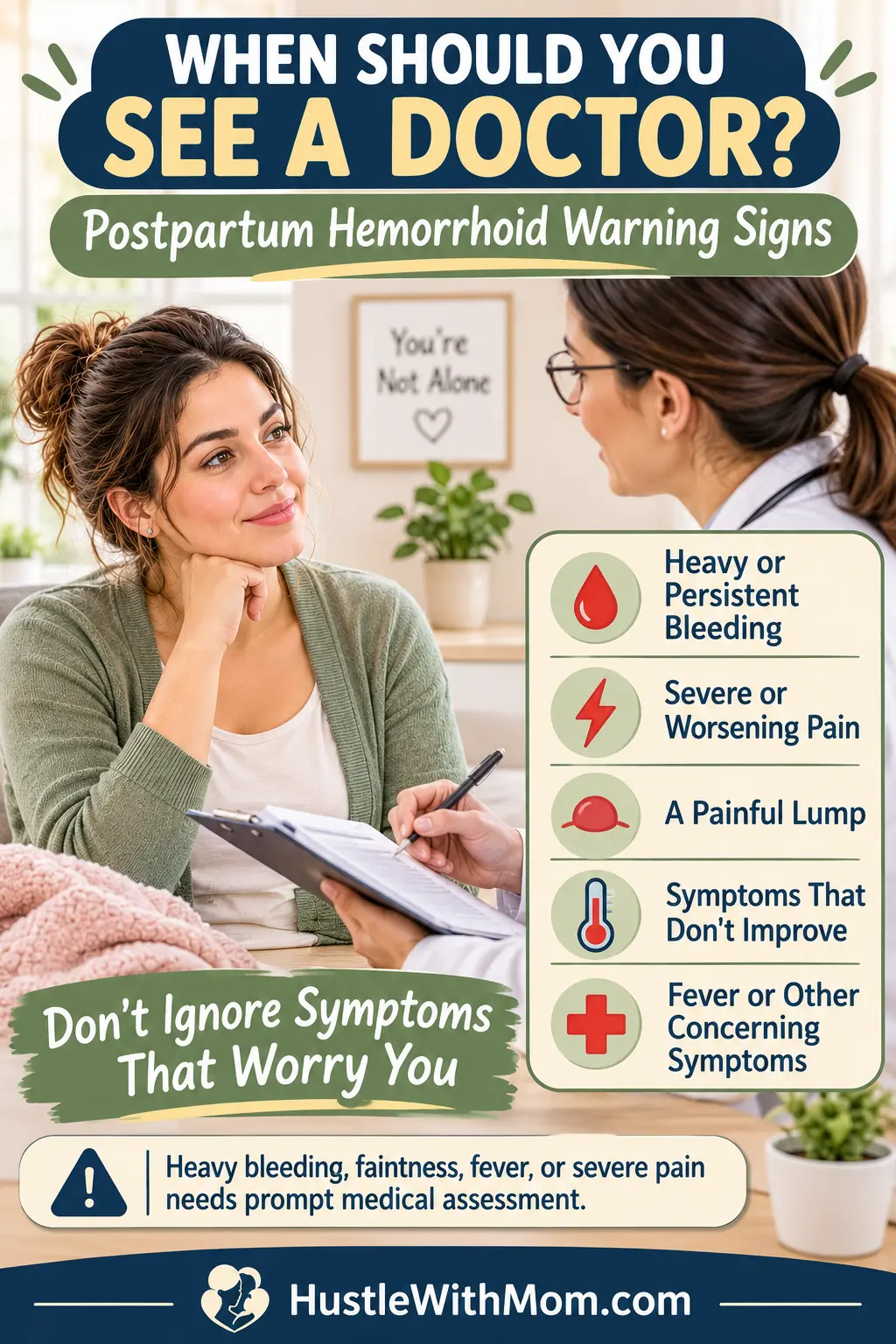
Knowing when to see a doctor for postpartum hemorrhoids is just as important as knowing how to manage them at home. Contact your healthcare provider if pain continues, swelling gets worse, or symptoms don’t improve with basic care. You should also arrange an examination for repeated rectal bleeding because other digestive or anal conditions can cause similar symptoms. Don’t rely on creams alone when the underlying problem remains unclear.
Some symptoms require prompt or emergency care. Severe anal pain with rectal bleeding, particularly when accompanied by abdominal pain, fever, or diarrhea, needs immediate medical attention. A sudden painful lump may indicate thrombosed external hemorrhoids after childbirth. Persistent bleeding or significant blood loss also needs urgent assessment. Remember that vaginal bleeding after delivery is different from rectal bleeding, so tell your provider where you believe the blood is coming from.
Warning Signs That Need Medical Attention
Severe or worsening pain, increasing swelling, fever, chills, and unusual discharge deserve medical attention. These symptoms may indicate an infection or another problem rather than ordinary hemorrhoids. You should also seek help when a painful lump makes sitting or passing stool extremely difficult. Early medical evaluation can prevent unnecessary discomfort and help your healthcare provider choose appropriate treatment.
When Rectal Bleeding Needs Evaluation
Bright red blood on toilet paper can occur with hemorrhoids, but it doesn’t confirm the diagnosis. Repeated bleeding, blood mixed with stool, or bleeding that seems heavy should never be ignored. When postpartum rectal bleeding needs medical attention depends on its amount, frequency, and accompanying symptoms. If you’re unsure whether blood comes from your anus or vagina, seek medical advice rather than guessing.
Signs of Complications Such as a Blood Clot
A sudden, extremely painful lump near the anus may indicate a thrombosed hemorrhoid. This happens when a blood clot forms inside an external hemorrhoid, causing pressure and tenderness. Some clots improve with conservative treatment, while others may need a medical procedure. Other complications of untreated hemorrhoids can include persistent bleeding, prolapse, and ongoing discomfort. Don’t try to cut, drain, or force a painful lump back inside yourself.
FAQ’s
Is it normal to have hemorrhoids months after giving birth?
Yes, postpartum hemorrhoids can last for several months after childbirth, especially if constipation and straining continue. Persistent pain, swelling, or rectal bleeding should be checked by a healthcare provider.
Will hemorrhoids go away after labor?
Many hemorrhoids improve naturally after labor as pressure on the pelvic veins decreases. However, severe or persistent hemorrhoids after delivery may require medical treatment.
Should I push my hemorrhoid back in?
Some prolapsed internal hemorrhoids can be gently pushed back if a healthcare professional recommends it. Never force a hemorrhoid back in, especially if it causes severe pain or feels swollen and firm.
Can hemorrhoids develop after a C-section?
Yes, hemorrhoids can develop after a C-section because pregnancy increases pressure on the rectal veins. Postpartum constipation, dehydration, and reduced movement can also trigger symptoms.
What shrinks hemorrhoids immediately?
No treatment can shrink hemorrhoids immediately. A wrapped cold compress may temporarily reduce swelling, while warm sitz baths and fiber-rich foods can help relieve discomfort during recovery.
What does a stage 4 hemorrhoid look like?
A stage 4 hemorrhoid is a severely prolapsed internal hemorrhoid that remains outside the anus and cannot be pushed back in. It may appear as swollen tissue around the anal opening and can cause pain, irritation, or bleeding. Medical evaluation is important.
Finding Relief From Postpartum Hemorrhoids
Dealing with hemorrhoids while caring for a newborn can feel exhausting. Fortunately, many mothers find relief through simple changes such as warm sitz baths, cold compresses, fiber-rich meals, and better bathroom habits. These steps can reduce discomfort and support healing during postpartum recovery. You don’t have to ignore the pain or simply wait for it to disappear.
If home treatments aren’t helping, speak with your healthcare provider about suitable medications or other options. Ask about breastfeeding safety before starting new treatments. Most importantly, don’t ignore persistent bleeding, severe pain, or unusual swelling. Your recovery matters too, and getting the right care can make this stage of motherhood more comfortable.
Medical References
The following sources support the medical information in this article:
- American College of Obstetricians and Gynecologists (ACOG): Postpartum Pain Management
- National Institute of Diabetes and Digestive and Kidney Diseases: Hemorrhoid Treatment
- Mayo Clinic: Hemorrhoid Diagnosis and Treatment
- NHS Specialist Pharmacy Service: Treating Rectal and Anal Disorders During Breastfeeding
- MedlinePlus: Hemorrhoids