


Postpartum Body Odor: Why It Happens, How Long It Lasts, and What Helps
- Is Postpartum Body Odor Normal?
- What Causes Postpartum Body Odor?
- Normal Smells vs Red-Flag Odor
- How Long Does Postpartum Body Odor Last?
- Postpartum Body Odor at 6 Months
- Postpartum Body Odor at 2 Years
- Breastfeeding-Safe Hygiene Steps That Help
- Laundry and Clothing Tricks
- What to Tell Your Provider
- When Odor Needs Urgent Care
- Frequently Asked Questions
- A Note Before You Go
Your body smells different after birth. That change can catch you off guard. One morning you lift your arm and pause. The scent feels stronger, sharper and new. You wonder if other moms smell like this too. You are not alone in this feeling. Postpartum body odor is common and normal. It fades as your hormones settle down. This guide explains why it happens in plain words. It also shows what helps day to day. You will learn the timeline week by week. You will know which smells need a call.
Your body just did something huge. It grew a baby and then delivered her. Now it works hard to heal and reset. Sweat, milk and shifting hormones all play a part. The smell is not a sign of poor hygiene. It is a sign of a body in recovery. Still, you deserve to feel fresh and sure of yourself. Small steps can make a real difference. Keep reading for honest answers and simple help. No shame lives in these pages.
Is Postpartum Body Odor Normal?
Yes, it is very normal after birth. Most new moms notice a change in scent. Your hormones drop fast once the placenta leaves. Estrogen and progesterone fall within days. That drop changes how you sweat and smell. Your skin bacteria shift in response too. Some moms smell a little stronger than before. Others notice a brand new scent. Musky, sour, sharp or metallic are common words. None of them mean you did anything wrong.
Doctors call this shift a normal part of recovery. Your body sheds extra fluid through sweat. Night sweats are common in the first weeks. You may wake up damp more than once. Stress sweat adds to the mix as well. It is thicker, saltier and richer in odor. Sleep loss makes it harder to stay on top of hygiene. That is normal when a newborn wakes all night. Your sense of smell may feel sharper too. Normal scents can seem stronger than they did before.
What Causes Postpartum Body Odor?

Four main forces shape your new scent. Hormones lead the list every time. Estrogen and progesterone drop sharply after delivery. That drop tells your brain you feel hot. Your sweat glands answer with more sweat. More sweat means more food for odor bacteria. Breastfeeding adds prolactin to the mix. Prolactin drives milk and can deepen your scent. Some experts think a stronger scent helps your baby find you. Newborns know mom by smell within days.
Lochia adds its own scent in the early weeks. It is the discharge of blood, mucus and tissue. It often smells like a strong period. Some moms call it sour, metallic or musty. Your vaginal pH shifts after a vaginal birth. That shift changes the local bacteria for a while. Food and water play a smaller role too. Garlic, onion and strong spices can deepen body odor. Hormones also drive other changes like hair shedding. The postpartum hair loss remedies guide explains that phase in full.
- Hormone drops: estrogen and progesterone fall fast after birth.
- Extra sweat: the body sheds pregnancy fluid, often at night.
- Breastfeeding: prolactin can deepen scent while you nurse.
- Lochia: discharge of blood, mucus and tissue in the early weeks.
- Vaginal pH shifts: local bacteria change after a vaginal birth.
- Stress and sleep loss: stress sweat is thicker and saltier.
- Diet and water: garlic, onion and strong spices can deepen odor.
Normal Smells vs Red-Flag Odor

Three smells are normal after birth. Sweat, lochia and leaked milk each smell different. Sweat smells musky or sharp after a long day. It grows stronger when you skip a shower. Lochia smells like a strong period at first. It fades as the flow slows down. Leaked milk smells sweet, sour or stale on fabric. It clings to bras and shirts fast. Change pads, bras and shirts often to stay fresh. A quick wipe can help between showers. Fresh milk keeps best with clean storage habits. The breast milk storage guidelines show safe times and simple steps.
Some smells mean you should call your provider. A foul or fishy odor is one of them. Foul discharge with itching or burning needs care. So does odor from a wound that looks red. A strong smell after the first few days deserves a check. Trust your nose when something feels off. An infection can hide behind a new odor. Early care keeps a small problem small. Do not douche or wash inside the vagina. Harsh soap can upset the balance and make things worse.
How Long Does Postpartum Body Odor Last?
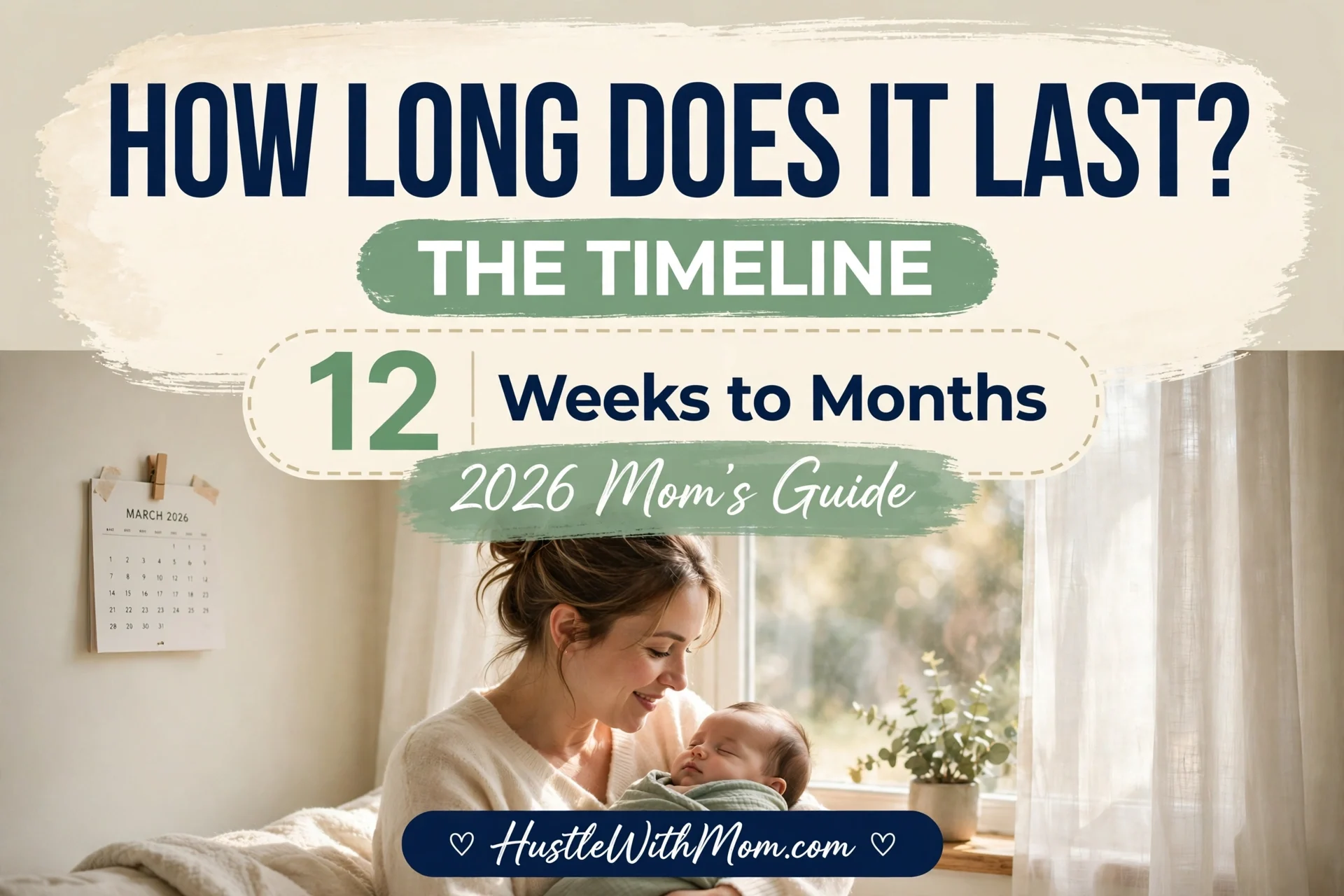
Most moms notice it fade within weeks to months. The exact timing varies a lot. Strong odor is worst in the first month. Hormone drops and fluid loss peak then. Many moms feel steadier by months one to three. Sleep and feeding still shape the scent. Some notice it ease by weeks twelve to sixteen. Lochia often ends around that same time. Breastfeeding can stretch the timeline longer. Prolactin keeps estrogen low while you nurse. Your scent should settle as hormones level out. Patience helps more than panic ever will.
Think of recovery in loose stages, not fixed dates. Every body heals on its own clock. Weeks one to four bring the strongest scent. Months one to three bring slow and steady change. Months four to twelve may still carry a hint. Nursing and broken sleep can keep it going. Beyond twelve months it should be mostly gone. A strong scent past that point deserves a check. If it worsens over time, ask about thyroid and hormones. Imbalances can shift scent in sneaky ways.
- Weeks 1-4: strongest odor, hormone drops and fluid loss peak.
- Months 1-3: slow and steady change as hormones settle.
- Months 4-12: a hint may linger while you nurse.
- Beyond 12 months: mostly gone, check with a provider if strong.
Postpartum Body Odor at 6 Months
Six months in, you may still catch a whiff. That is common for many new moms. It is not your fault at all. Many moms still nurse at six months. Prolactin stays active while milk flows. Night feeds can mean night sweats too. Broken sleep keeps stress hormones high. Your scent may differ from your old normal. It often fades as feeds space out. By now lochia is long gone. Any vaginal odor now deserves a closer look.
Focus on the basics at six months. Fresh bras, quick rinses and clean sheets help a lot. Swap nursing pads often to stop milk smell. Keep a spare shirt in your bag. Drink water through the day to stay hydrated. Good hydration can soften strong sweat. Move your body once your provider clears you. Gentle walks can steady sweat over time. The best postpartum workout program shows safe ways to start moving again. Trim underarm hair if you like it shorter. Less hair can mean less trapped sweat.
Postpartum Body Odor at 2 Years
Two years out, strong odor should be gone. Hormones have had time to settle. If you still nurse, a faint change may linger. Weaning often brings scent back to normal. Most moms feel like themselves again by now. Your old deodorant may work just fine. A new strong smell at two years needs attention. It may point to a thyroid or hormone shift. Skin and diet changes can play a role too. New soaps or foods can shift your scent.
Book a check if the odor stays strong. Ask your provider about thyroid and hormone levels. Bring a short note of what you notice. When it started and what changed helps a lot. Note any fever, pain or odd discharge too. Those details guide the next steps. You deserve answers, not embarrassment, at this stage. A quick visit can rule out problems fast. Most of the time the cause is simple. A small fix can bring your old scent back.
Breastfeeding-Safe Hygiene Steps That Help
Good hygiene helps more than any fancy product. Start with the simple habits first. Shower when you can, even a quick rinse. Focus on underarms, chest and groin. Baby wipes work between showers in a pinch. Keep a pack by the bed for night sweats. Use gentle, fragrance free soap on skin. Harsh soap can upset the skin balance. Pick unscented deodorant while you nurse. Strong scent can bother a newborn nose. Keep products away from your breasts. Baby should not taste deodorant at feeds.
Care for your healing spots with the same care. Clean a C-section scar as your provider showed you. Follow perineal care steps after a vaginal birth. Gentle rinses beat harsh scrubbing every time. Clean nipples gently after each feed. Change nursing pads before they stay damp. A postpartum checklist can keep these steps in one place. The postpartum essentials checklist covers the basics you need first. Trim underarm hair if you like it shorter. Less hair can mean less trapped sweat.
- Rinse daily, even a quick wash of underarms, chest and groin.
- Use baby wipes between showers when time runs short.
- Choose gentle, fragrance free soap and unscented deodorant.
- Keep deodorant and soap away from your breasts.
- Clean nipples after feeds and change nursing pads often.
- Care for C-section and perineal spots as your provider showed you.
Laundry and Clothing Tricks

Clothes hold odor longer than skin does. Milk, sweat and lochia soak into fabric fast. Change your bra and shirt when they feel damp. A fresh layer can reset your whole day. Cotton, bamboo and linen breathe best on skin. Loose fits let air move and dry sweat. Skip tight synthetics when you feel sweaty. They trap heat and feed odor bacteria. Keep a spare shirt in your diaper bag. A midday swap takes thirty seconds flat.
Wash sweaty clothes soon, not days later. A small bedroom basket can hold the damp pile. Use a gentle detergent made for sensitive skin. Rinse twice if milk smell hangs on. Sun can freshen cotton if you line dry. Fresh air beats heavy scent in a wash. Change sheets and pillowcases more often too. Night sweats soak into bedding each week. Sleep on a towel if sweats soak the bed. It keeps you drier through the night.
What to Tell Your Provider
Your provider has heard this concern before. You never need to feel shy about it. Start with when the odor began. Note if it grew stronger or changed in kind. Mention feeding, sleep and stress levels too. Those details shape the full picture. Say where the smell seems to come from. Underarms, breasts and vaginal odor point in different ways. Bring a list of products you use daily. Soaps, deodorants and pads all count here.
Ask if a swab or blood test makes sense. A quick test can rule out infection fast. Ask about thyroid and hormone checks too. They matter when odor lingers past a year. If you had a C-section, mention wound odor. Surgical site infections need prompt care. Your belly heals on its own slow clock too. The postpartum belly week by week guide maps that timeline. Write down what your provider says next. Clear notes make the next visit easier.
When Odor Needs Urgent Care
Most postpartum odor is harmless and fades. A few signs mean you need care now. Seek urgent care for odor with fever or chills. Pain, body aches and deep fatigue count too. Foul vaginal discharge after the first days needs care. Itching, burning or swelling add weight. Redness or pus near a wound needs care fast. A C-section scar should never smell foul. Heavy bleeding with a bad smell needs care too. Do not wait for the next checkup.
Call your provider the same day you notice these signs. An early call can stop an infection fast. If you cannot reach your provider, seek urgent care. A hospital or urgent clinic can help. Bring your discharge papers and medicine list. Staff can act faster with clear facts. Tell them you are postpartum and describe the odor. Plain words work best in a rush. You are not overreacting when you seek help. Fast care protects you and your baby.

Frequently Asked Questions
Why do I sweat so much after giving birth?
Your body held extra fluid all through pregnancy. After birth it sheds that fluid fast, mostly through sweat. Night sweats peak in the first weeks. Hormone drops push your sweat glands into overdrive. It feels intense for a while. Still, it is temporary for most moms. Most moms see it ease within weeks.
Can breastfeeding make body odor worse?
Yes, it can for many moms. Prolactin drives milk and can deepen your scent. Leaked milk adds its own smell too. It dries on bras and shirts between feeds. Your scent often shifts back after weaning. Hormones settle once feeds stop for good.
Does what I eat change how I smell?
Food can shift body odor a little. Garlic, onion and strong spices are the usual suspects. Water helps more than any single food swap. Good hydration keeps sweat less strong. Eat balanced meals when you can manage them. A steady diet supports a steady scent.
Will my smell ever go back to normal?
Most moms see it fade in time. Hormones level out over weeks and months. Many notice a clear change by three months. Nursing moms may need a little longer. If a strong smell stays past a year, ask your provider. A simple check can find the cause.
What deodorant is safe while breastfeeding?
Unscented deodorant is the safest pick. It masks odor without strong scent near baby. Antiperspirant can cut sweat if you need it. Keep both away from your breasts. Read the label and skip harsh scents. Ask your provider if you feel unsure.
A Note Before You Go
This article shares general facts for new moms. It is not a substitute for professional medical advice. Always talk with your own provider about symptoms. Only they can judge your case in full.
Your body is healing at its own pace. Give it time, grace and a little care. You smell like a mom in recovery, not a problem. Fresh days are on the way.