


Baby Clingy to Mom? Why It Happens by Age and What Actually Helps
- Introduction
- Why Your Baby Is So Clingy to Mom
- Baby Clingy to Mom at 3 Months
- Baby Clingy to Mom at 6 to 9 Months
- Toddler Clingy to Mom
- When Do Babies Get Clingy to Mom
- Why Your Baby Cries More With Mom
- You Are Not Spoiling Her
- Touched-Out Mom Scripts That Actually Help
- How to Hand Your Baby to Dad Without a Meltdown
- Grandparents and Other Caregivers
- Daycare Drop-Off Without the Tears
- When to Ask Your Pediatrician
- Frequently Asked Questions
- A Quick Note Before You Go
Introduction
Your baby reaches for you the moment someone else picks her up. She cries when you leave the room. She calms the second you hold her again. If this sounds like your days right now, you are not alone. This phase can feel sweet and exhausting at the same time. The good news is that clinginess is normal. It means your baby trusts you and feels safe with you.
This guide walks you through clinginess by age, from newborn days to toddler years. You will learn why it happens at 3 months, at 9 months and in the toddler stage. You will also find scripts for touched-out days and calm handovers to dad, grandparents and daycare. By the end, you will know what is normal, what helps and when to call your pediatrician.
Why Your Baby Is So Clingy to Mom
Your baby knows you better than anyone else in the world. She knew your voice and your heartbeat before she was born. She knows your scent, your warmth and the way you hold her. When she feels hungry, tired or unsure, she reaches for what feels most familiar. That person is usually you, because you feed her, rock her and settle her most of the time. Clinginess is her way of saying you feel like home.
This strong pull toward mom is part of healthy attachment. Babies build trust by learning that one steady person responds to their needs again and again. A baby who clings is not broken or spoiled. She is doing exactly what her growing brain tells her to do. She stays close to her safe person while she learns that the world is okay.

Baby Clingy to Mom at 3 Months
At 3 months, your baby starts to notice faces and voices more clearly. She can tell you apart from other people by your smell and your sound. She may cry when someone else holds her, even if that person is kind and gentle. This is not rejection of dad or grandma. It is simply her young brain choosing the person she knows best.
The best help at 3 months is small and slow. Let dad or another caregiver sit close while you hold her and play. Once she looks calm, let them hold her while you stay in the room. Keep these tries short and pick a happy time of day. A full belly and a fresh nap make a big difference. If she fusses, dad can walk, bounce or sing until she settles.
Baby Clingy to Mom at 6 to 9 Months
Between 6 and 9 months, clinginess often grows stronger. Your baby now understands that you exist even when she cannot see you. Doctors call this step object permanence. It changes everything for your baby. She also starts to feel shy or fearful around strangers, which doctors call stranger anxiety. The Centers for Disease Control and Prevention lists shy and clingy behavior around strangers as a common 9 month milestone.
Nine months is also when many babies show separation anxiety for the first time. They cry when mom leaves, reach for her when others hold them and settle only in her arms. Some babies show this as early as 4 or 5 months. The good news is that this stage passes with time and practice. Short separations help her learn that you always come back. Each goodbye that ends with your return teaches her that the world is safe.
Toddler Clingy to Mom
Toddlers can be even clingier than babies. That surprises many moms who expect it to fade. Your toddler can walk, talk and play. Yet she still wants to be on your hip all day. She may follow you from room to room and cry when you step away to cook or shower. The American Academy of Pediatrics says separation anxiety usually peaks between 10 and 18 months. It then fades during the last half of the second year.
A very clingy toddler is often a tired, hungry or overstimulated toddler. Big feelings spill out most with the person she trusts most, which is you. Teething, illness, travel or a new routine can also make clinginess spike for a few days. Keep her days steady, with the same naps, meals and bedtime when you can. Give her small choices, like which cup or which book. Small choices help her feel some control.
When Do Babies Get Clingy to Mom
There is no single age when clinginess starts for every baby. Some babies show a strong preference as early as 4 months. Others stay easygoing until closer to their first birthday. Temperament plays a big role in clinginess. Your daily routine matters just as much. A baby who spends most of her day with mom will usually reach for mom first.
Clinginess also comes and goes in waves. It may fade for weeks, then return with teething, illness or a big change like daycare. A new sibling, a move or mom going back to work can bring it back too. These waves are normal for babies. They do not mean you have gone backward. Keep offering gentle practice with other caregivers during calm times.

Why Your Baby Cries More With Mom
Many moms notice a strange pattern: the baby is calm with dad, then falls apart the moment mom walks in. She may cry harder, cling tighter and refuse to settle for anyone else. This feels unfair and it can sting. Yet it usually means she feels safest with you. Babies save their biggest feelings for the person they trust most.
Think of it like a long day at work for a grown-up. You hold it together all day, then you melt a little once you reach home. Your baby does the same thing with you. Dad did nothing wrong in this moment. Mom did nothing special to cause the tears. The tears are a sign of trust, not a sign of failure.

You Are Not Spoiling Her
Someone will tell you that you hold her too much. They may say you are spoiling her or making her clingy. The American Academy of Pediatrics says it plainly: do not believe it. Clinginess at this age is not caused by you or your parenting style. You cannot spoil a baby by answering her cries. Holding her builds the trust that helps her grow brave later.
Secure babies become confident kids, not clingy ones. A baby who knows mom will come back feels safe enough to explore. She crawls away, then checks back with you, then crawls a little farther. It is not a weakness at all. It is the skill that lets her walk into a room full of strangers one day and feel okay.
Touched-Out Mom Scripts That Actually Help
Being touched all day can leave you flinching when anyone reaches for you. Your shoulders ache and your patience runs thin. Then guilt moves in as well. You love your baby deeply and truly. You still need a break from being climbed on. Both things are true at once. Needing space says nothing bad about you as a mom.
Say it plainly and ask for ten quiet minutes. Try a clear trade, like one bath or one walk with dad. Step into another room and eat lunch with two hands. Let the laundry wait for now. Short breaks count, even if they last only a few minutes. You come back softer and kinder after a little air.
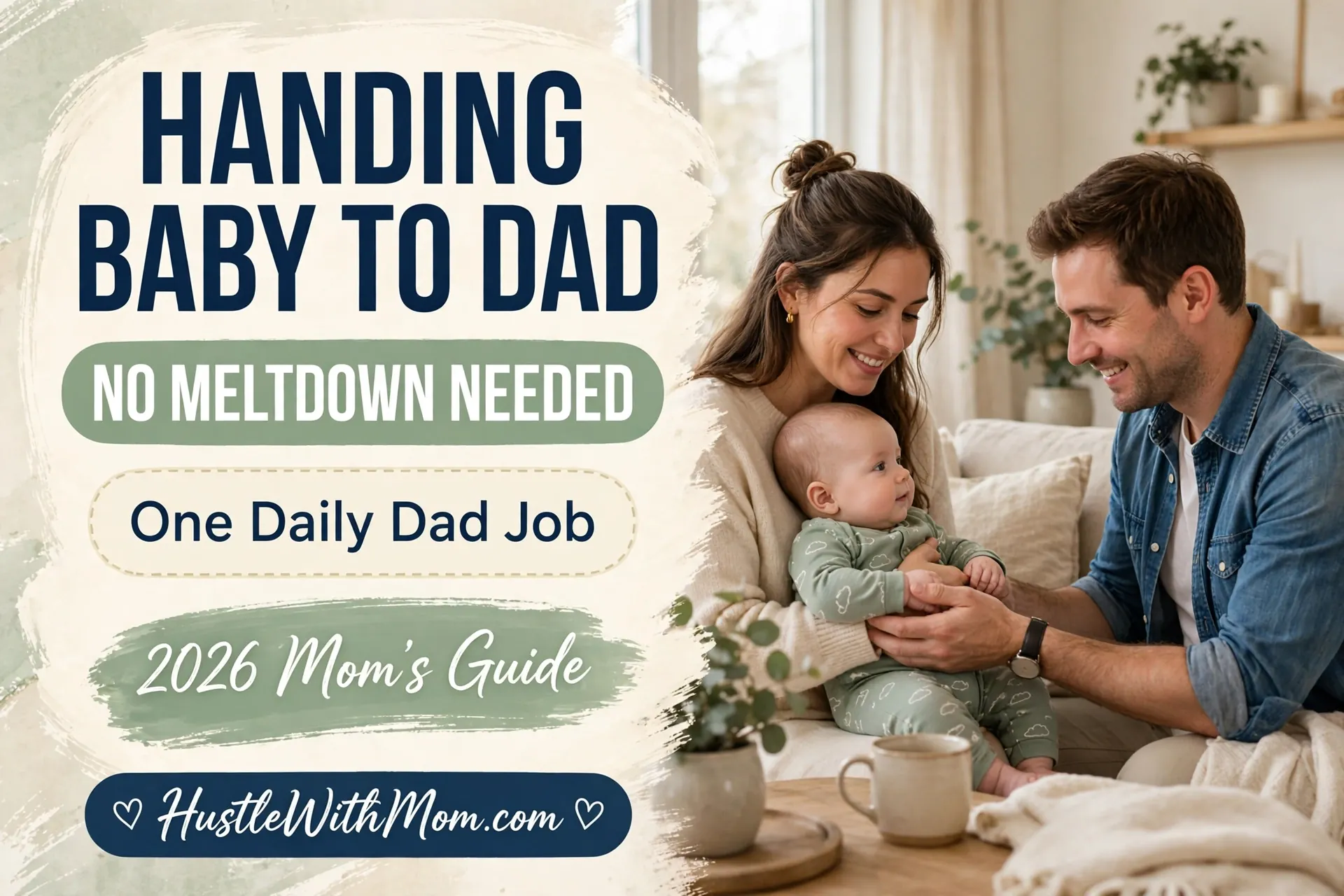
How to Hand Your Baby to Dad Without a Meltdown
Your baby will want you most for a while. That is completely okay for now. The goal is smaller: you should not be the only person who can calm her. Give dad one daily job that is always his, like bath time or the first bottle. The guide to how fathers can bond with a newborn has more ideas for daily dad time. Same job, same time, every single day. Let him soothe his own way, even if he bounces while you sway. Different styles are fine for everyone. Coaching from the doorway only pulls her eyes back to you.
Leave the room when dad takes over. Really leave and close the door. If she can see or hear you, she will keep reaching for you. Tell her in a calm, matter-of-fact voice that you are going. Keep the goodbye short and sweet, then go. Expect some crying while dad comforts her, because tears often fade within minutes after you leave. If dad hands her back at the first cry, they both miss the chance to learn he can do it.
- Pick one daily job for dad and keep it the same.
- Hand her over when she is calm and fed.
- Say a short goodbye and leave the room.
- Let dad soothe his own way for a few minutes.
- Come back with a smile and praise them both.
Grandparents and Other Caregivers
Grandparents often feel the sting of rejection too. Your baby may cry when grandma reaches for her, even though grandma loves her dearly. This is not personal in any way. It is not permanent at all. Warm-up time helps more than anything else. Let grandma sit nearby and play while you hold the baby. Once the baby relaxes, grandma can hold her while you stay close.
Give other caregivers the happy hours, not only the hard ones. A walk after a nap, a book on the floor or a silly song can work wonders. If a handoff goes badly, do not force it. Try again another day when she is rested and fed. Over weeks, your baby learns that love comes in more than one pair of arms. Families who share care across two homes can use the co-parenting with a newborn plan to keep handovers calm.
Daycare Drop-Off Without the Tears
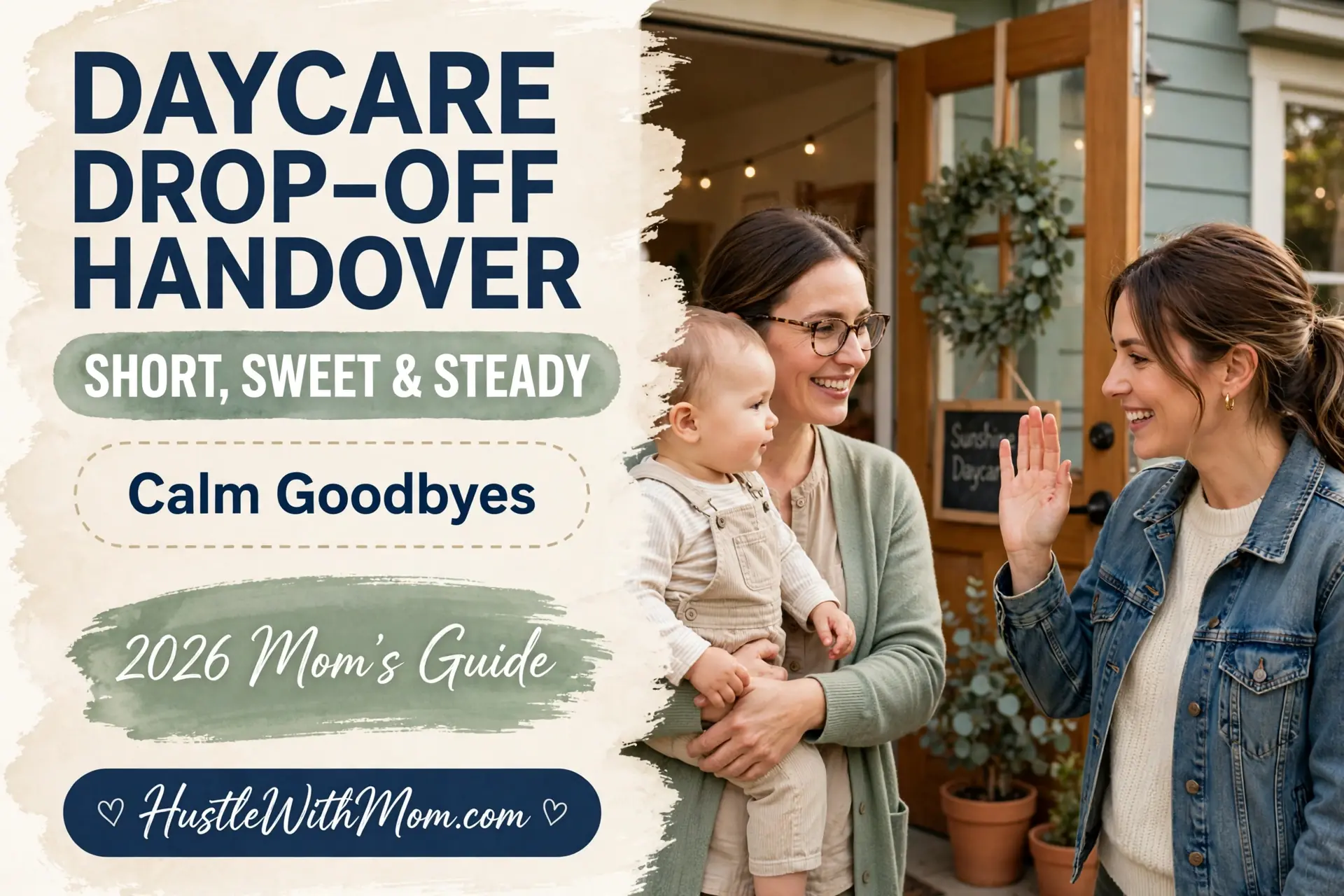
Daycare drop-off can feel like the hardest part of the day. Your baby cries and you feel guilty. The drive to work feels very long. Short, steady goodbyes help more than sneaking away. Tell her where you are going and who stays with her. Then hand her to one steady teacher and go.
A calm morning routine makes the handover easier. Wake her with time to spare and feed her. Dress her slowly without any rushing. Bring one comfort item from home, like a small blanket or a soft toy. Keep the same drop-off person and the same words each morning. For more detail on timing, the when to start daycare guide covers the signs your baby is ready.
- Arrive a few minutes early so nothing feels rushed.
- Use the same goodbye words every single morning.
- Hand her to the teacher and hug her once. Then go with a smile and wave.
- Call the daycare at lunch if you need peace of mind.
When to Ask Your Pediatrician
Most clinginess is normal and passes with time. Still, trust your gut when something feels off. Call your pediatrician if clinginess comes with fever, poor feeding, unusual tiredness or fewer wet diapers. Pain, breathing trouble or a sudden change in behavior also deserve a quick call. You do not need to wait for a checkup to ask.
You can also raise very strong separation problems at a regular checkup. Tell your pediatrician how long the phase has lasted and what you have tried. Bring notes about sleep, feeding and mood if that helps you remember. Doctors hear these worries every day. No question about your baby is too small. Your pediatrician can tell you what is typical and what needs a closer look.
Frequently Asked Questions
How long does the clingy phase last?
There is no single timeline for babies. That is the honest answer for most families. Some babies move through it in a few weeks. Others drift in and out of it for months, often around teething, illness or big changes. The American Academy of Pediatrics says it often peaks between 10 and 18 months and fades in the second year. Most families find it eases around the second birthday.
Is it normal for my baby to only want mom at bedtime?
Yes, bedtime is often the hardest time of day for clinginess. Your baby is tired and the house is quiet. She wants her usual comfort close by. If mom has always done the whole bedtime routine, a sudden switch to dad can bring tears. Start small by letting dad add one piece, like the bath or the book. If nights keep falling apart, the baby sleep regression guide may help you spot what else is going on.
Does clinginess mean my baby loves dad less?
No, clinginess is about comfort and familiarity, not about love. Your baby may calm fastest with mom and still laugh hardest with dad. She may love bath time with grandma and walks with grandpa. Each bond grows in its own way and at its own pace. Dad is not being rejected, even when the tears say otherwise.
Can holding her less stop the clinginess?
No, holding her less does not make her less clingy. Babies do not learn independence from being left to cry alone. They learn it from knowing that comfort always comes when they need it. A baby who feels safe explores more, not less. Keep holding her close every day. Keep letting others hold her too.
What if my toddler is very clingy to mom all day?
A very clingy toddler often needs more rest, food or quiet time than she is getting. Check the basics first: a nap, a snack, a drink and a calm room. Give her small choices during the day so she feels some control. If the clinginess stays intense for weeks or comes with big mood changes, talk with your pediatrician.
A Quick Note Before You Go
This article shares general information about baby development and family life. It is not medical advice for your baby. It is not a substitute for care from your pediatrician. Every baby is different in her own way. Your pediatrician knows your baby best. If you feel worried about your baby’s health, growth or behavior, please reach out to your pediatrician for guidance.
Clinginess can wear you out some days. It can also melt your heart. Your baby reaches for you because you are her safe place. That trust is a gift, even on the days when your arms ache. Keep sharing the load and keep the goodbyes short. Keep showing up for her every day. One day, she will run off to play without a backward glance. You will know you did it right.